week | one
TASK #1
Starting the new brief, the 730 module focuses on creating a business plan, which is something I have no idea about, but I am eager to learn. As our first week's task, we are asked to think critically and reflect on a range of studios, individual practitioners, businesses, and brands that inspire us, also considering our own positioning as designers. Even though this is all new to me, I will not give up, and I will teach myself by reading and listening to these case studies to understand what is asked of me.
Case Studies:
Question 1: What do you think are the essential logistical and practical requirements to set up a design studio / business?
-
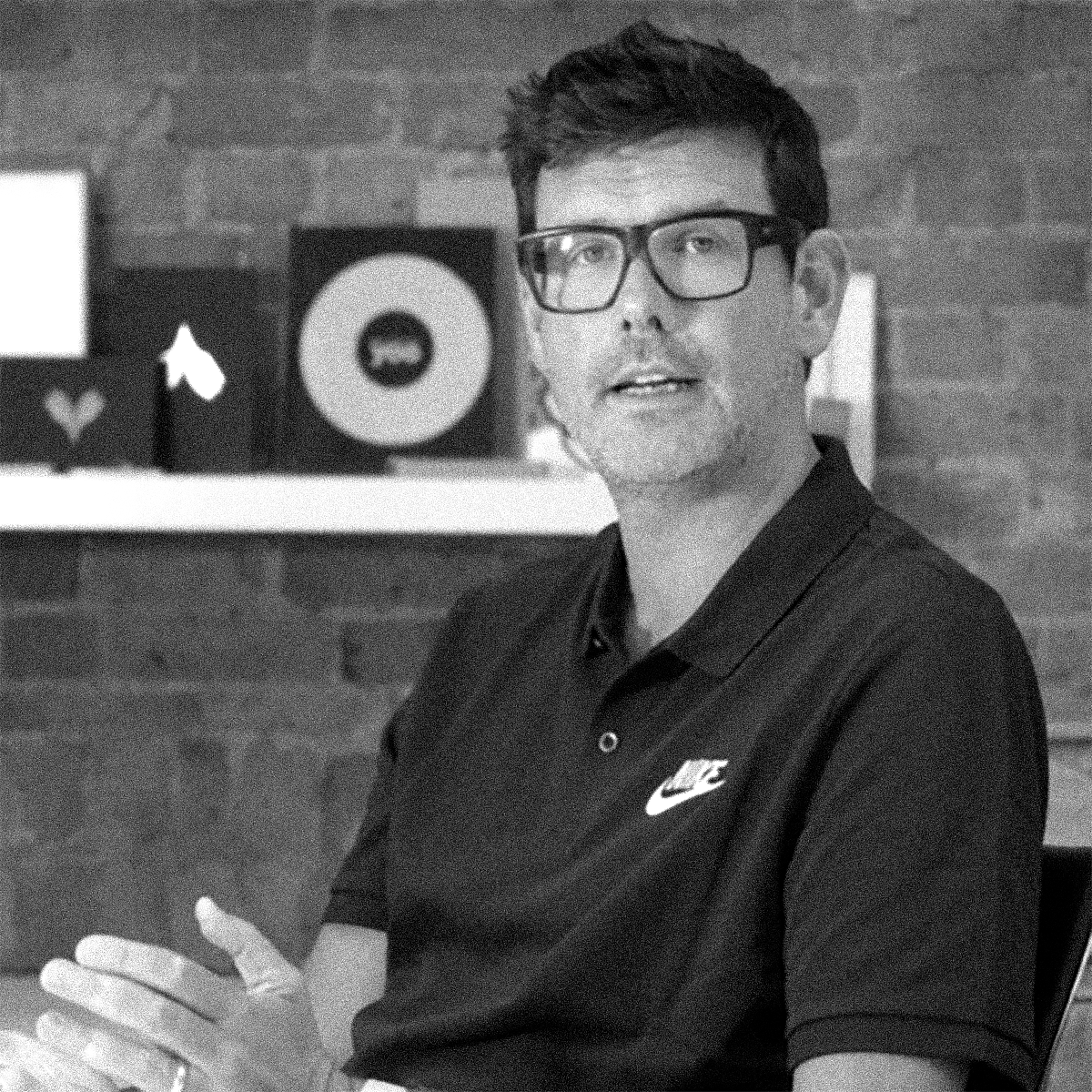
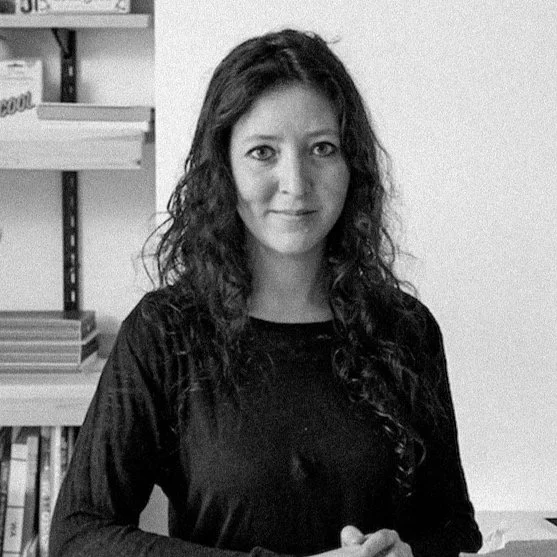
Just because you can doesn't mean you should, and it certainly doesn't mean you'll succeed (Manchipp). I always thought I wanted to build my own studio, but after listening to Simon Manchipp, I realized it's not as easy as I thought. He emphasizes the importance of having clients, as many people fail simply because they forget to secure them. It's actually quite funny to think that a studio could succeed without clients. I mean, I didn't even consider the word "clients" when I started dreaming about my studio. Now I understand: until you have clients, you do not have a business (Manchipp). This got me thinking about how to attract clients and get them to pay. It's not easy, after all.
Simon also mentions that even one paying client is good enough to get started. Studios are just an abstract concept; many companies nowadays are virtual and thriving. Personally, I prefer face-to-face interactions more than online services, but I recognize the world's changing, so a bit of both would be nice. Moreover, Simon highlights the importance of having an accountant. Until now, I never understood what cash flow meant or what an accountant does. Learning these terms has been really beneficial.
As a designer, I often overwork and overdeliver, and I've seen positive outcomes from giving more. Hearing Simon talk about how overdelivering on promises builds strong reputations and is good for business made me happy. I could be known for this—being extra and giving more—because I love making others happy. If that makes my future clients happy, then why not? All in all, Simon painted a clear picture of what it takes to build my own studio.
-
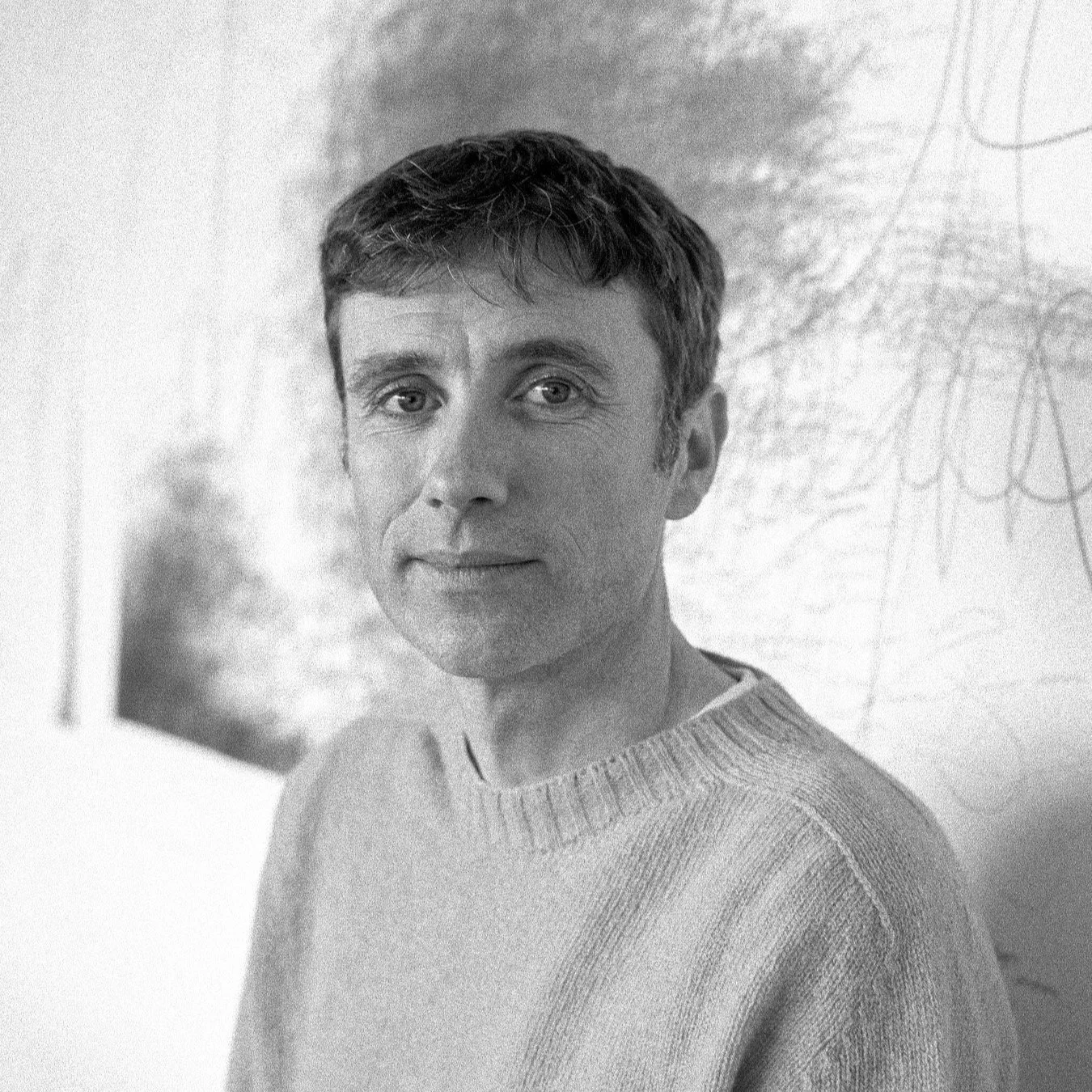
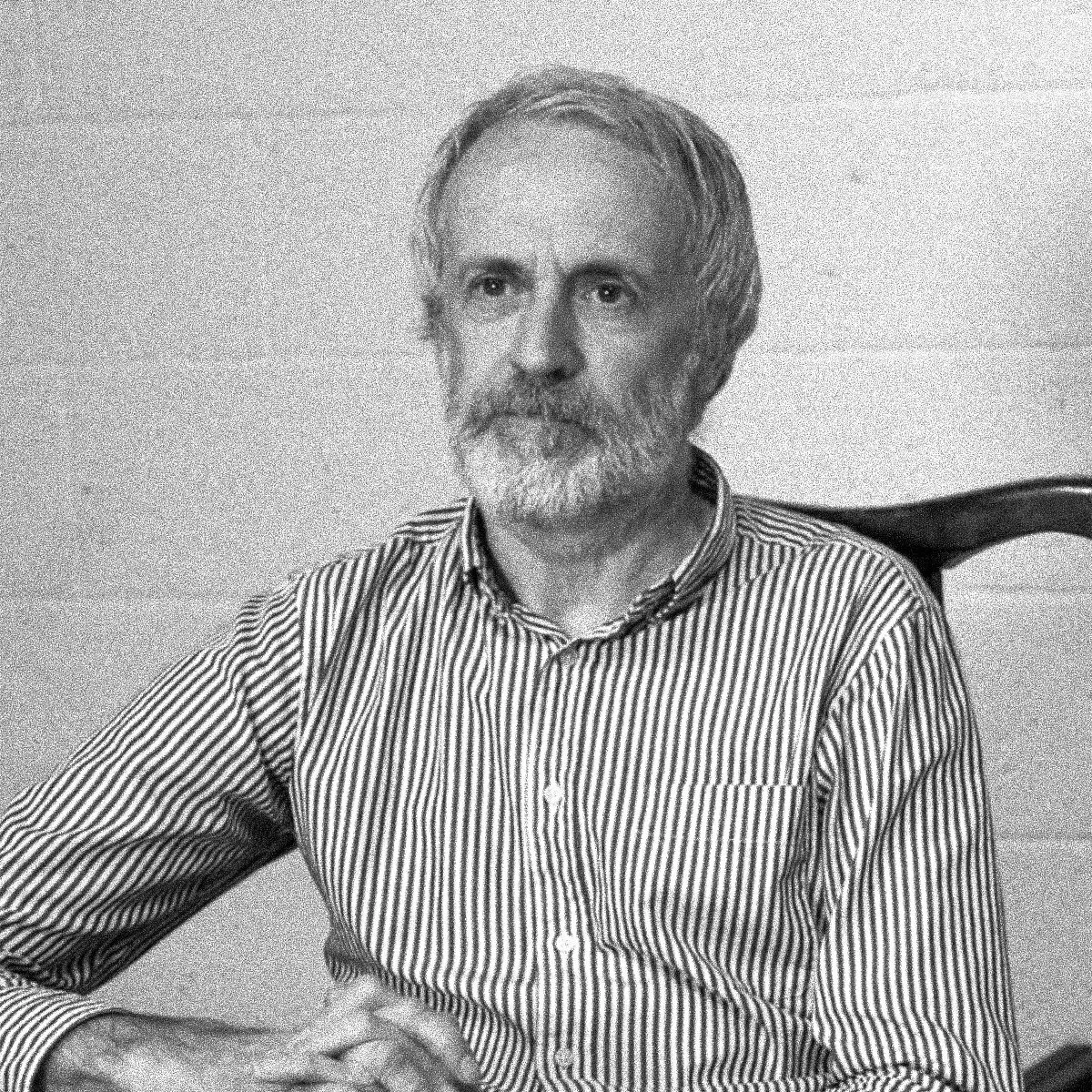
Sara Boris has been a huge inspiration for me throughout all my modules. I never knew her until I started taking this course, and after seeing her work and her studio, I fell in love. I fell in love with the idea of being myself and building a business based on just that—being me and doing what I love. Listening to her talk about how important it is to have people who love and support you really made me excited to build a studio, surrounded by all the people who believe in me and support me. I've always been told to open my own place and studio, so I have the support I need; I just needed the motivation from within.
Sara also mentions how "You need to have a bit of a financial cushion in case your computer breaks down or you have emergency travel for a project, so you always need a little cushion in the bank" (Boris). I never knew it was important to have that, but it makes sense. One must always have a plan B, C, and D and never assume that plan A is the only plan. I learned how important it is to think about the tiny details that make us human and how this helps to build the studio I want.
-
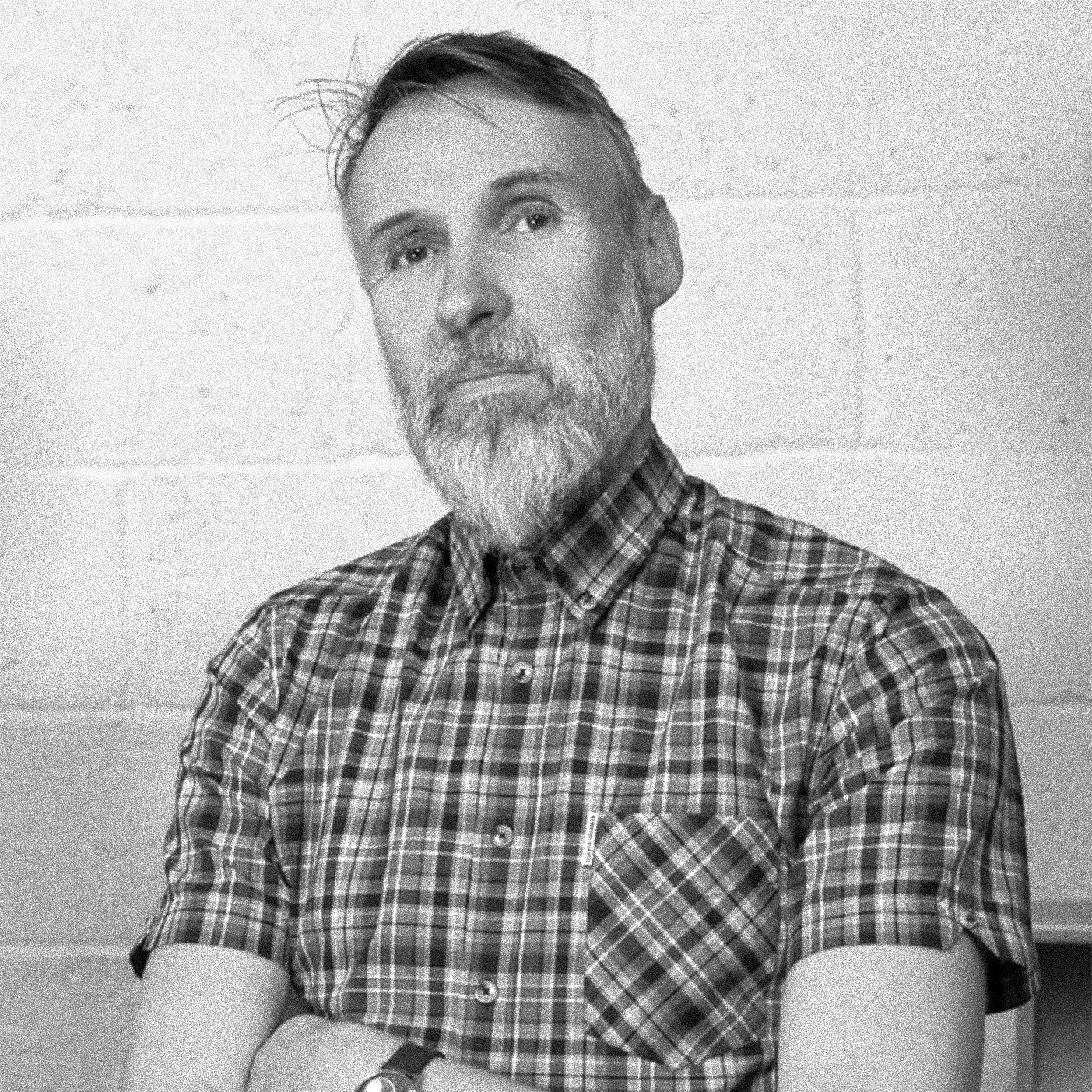
There’s no point in setting up a design practice if you’re not a good designer because no one’s going to want your designs. You’ve got to be absolutely passionate about it because, what’s the point in setting up any business if it is half-hearted? (Talbot)
I couldn't have said it better myself. It makes every designer think—why do it if you're not entirely up for it? Personally, I know I am a good designer and have good designs, but the idea of opening a studio for me is more focused on the left side of my brain, which is not really my side. I am more right-brained, where creativity and imagination thrive.
Adrian Talbot also says that we have to be a "people person." I mean, I’m not really that—I tend to get bored so easily due to my ADHD. But I always try my best, so if I were to have my own studio, it would definitely have a cafe area where people can mingle with each other and not with me all the time. I like to have my space where I can focus and not get distracted, but I also love being surrounded by people. So, this is something I need to think about.
Julian says: "The thing that’s important is to listen to what the person wants, and also to be able to do things, simple things, like putting your ideas through as if it was their idea all along" (House). That's a no-go for me. I cannot do this. I mean, I tried—I really did try—and I ended up fighting with the client and not doing the work or getting paid. It is mentally and physically exhausting to be a designer who designs for people. I just feel like I lose my purpose as a designer. I know a lot of people might not agree with me, but I love to design what I do, and I need the clients to take it as it is. So, I think this is something I really have to think about for my future—it's something I need to change in myself to be better or just find a solution for that. Julian literally says what I feel: "I think that a lot of young designers are guilty of designing for themselves" (Talbot). It's true—so true.
-
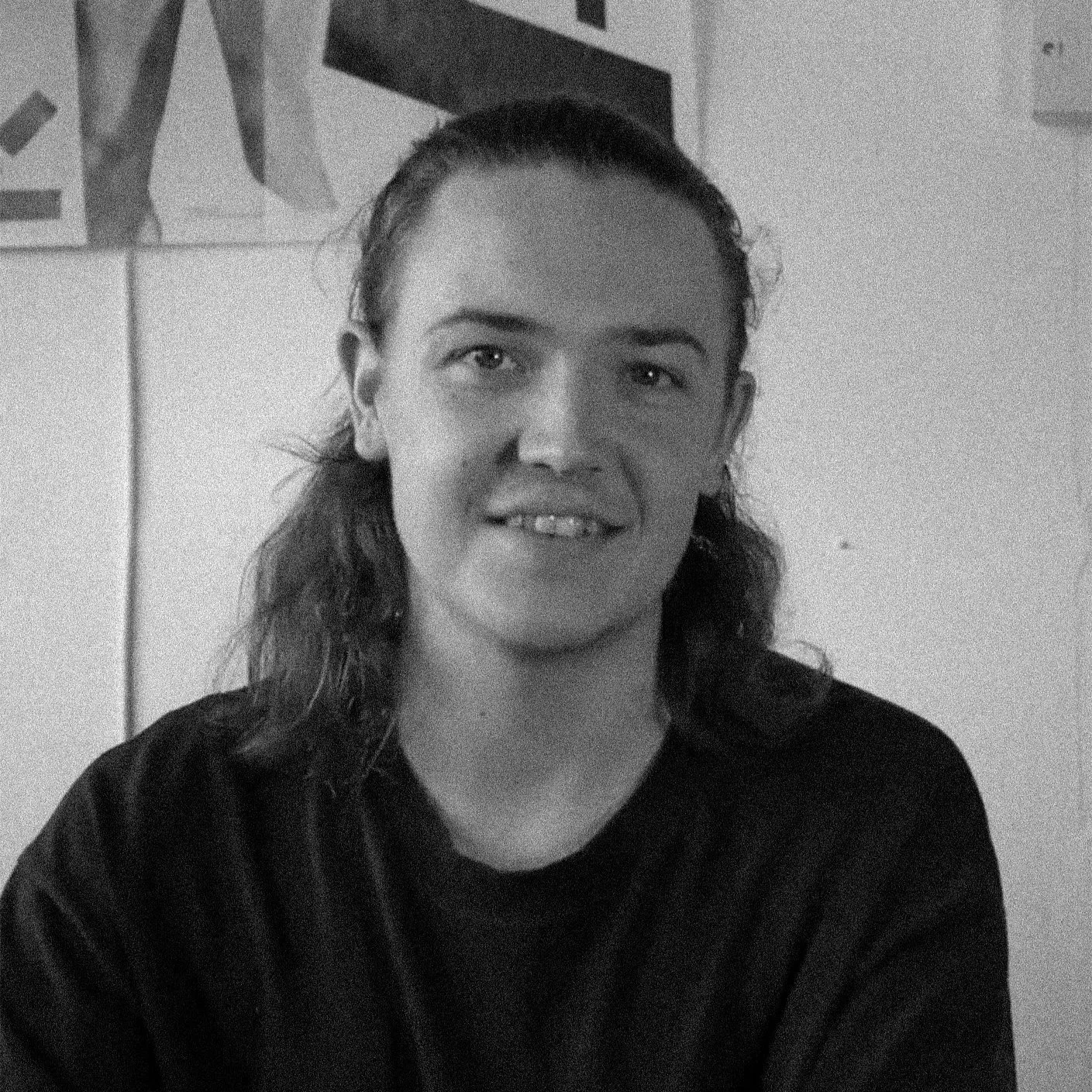
It is a rule everywhere in the world that the starting point is the most difficult step, but then everything starts flowing after. So, when Sam said that when he was starting out, setting up was difficult, I felt a connection. The stress of doing something you've never done before is what freaks me out. I can have amazing, eccentric ideas, but when it comes to actually starting, I freeze. So it's normal to have these feelings when thinking about starting anything in this world.
Listening to Sam's story really made me feel grateful for the things I have and made me realize that sometimes just having a desk space is exactly what we need. I've had a desk space all my life and never appreciated it. I always felt like I wanted more. Seeing how he fakes it till he makes it makes me believe that once you put your head into something, it's possible to do the impossible.
Moreover, Sam literally taught me how to get clients. Rather than throwing myself out there in the world and asking people to come to me, saying, "I'm here, I'm here," I simply change my wording, and it transforms into a whole different aspect. Instead of me going out and trying my best, I just say one word that makes them come to me on their own. I mean, wow, that's some good advice right there.
-
Listening to Regular Practice didn’t really resonate with me. I didn’t feel a connection to what they said in their lecture, and I didn't find many points that stood out. However, they did mention one thing that made sense to me: "A lot of work comes through, is your name being dropped into conversation." That’s so true. Even from where I come from, most people I know found work just by having their name dropped in a conversation, and then they get the job. So, having people mention my name and getting it out there is important if I want clients, people to work for me, or opportunities to work for others.
Question 2: Tell us about your first studio space. How did you find your first studio space?
Out of all the stories I heard, I really felt connected to Simon and Sara. Their stories resonated with me both as a person and as a designer. Listening to Simon's story, I learned that no matter how hard things can get, it definitely doesn’t stop you from doing what you love. It is such an inspiration to see how much trouble he and his team went through to become SomeOne. Even the name makes sense to me now. And listening to Sara Boris, I realized her personality is a copy-paste of mine. The way she started is how I am starting out. When she talks about needing her haven, her safe space—that’s exactly what I am looking for at the moment. I need a "me" space where I can do what I want without anyone intervening. I love criticism, but only when I am in the right mood. I ask for it when I need it, but when it’s not needed, keep it to yourself. All in all, both of them really inspire me. Their work and design thinking are something I want to learn from and eventually teach one day.
Question 3: What is the one piece of advice you can offer about running a successful studio?
Simon Manchipp:
But what we have found is that all of the things that you hate about your job, or the jobs that you’ve had, and all the bad experiences you’ve had, now’s your chance to design a new way. So, all of those things that you hate, you can change, and apply creativity, and apply design -thinking to everything from an invoice, to the way you run a meeting.
Sara Boris:
Don’t take it for granted; explore other options; don’t take no for an answer. As designers we have the opportunity to repackage ourselves, and don’t take no for an answer but reinvent yourself. Don’t go in the same way. Follow your gut feeling. If you’re not feeling something, there’s a reason for it. Don’t compromise too much, or don’t compromise at all.
Sam Winston:
Trust yourself. The main thing you need to do to do any of this, is yourself, that’s it. Trust not your head, not your intellectual mind, but you, that it will work itself out.
Intro Design:
Meeting people, speaking to people and having a dialogue with people. Handling criticism. Wear different hats for different clients.
Regular Practice:
Being a bit more aggressive and not doing things that you don’t want to do or things that you don’t feel are going in the direction of how you would like to be working.
week: 1 research task:
Reflect on a range of studios, individual practitioners, businesses and brands that inspire you and consider on your own positioning as a designer alongside these examples:

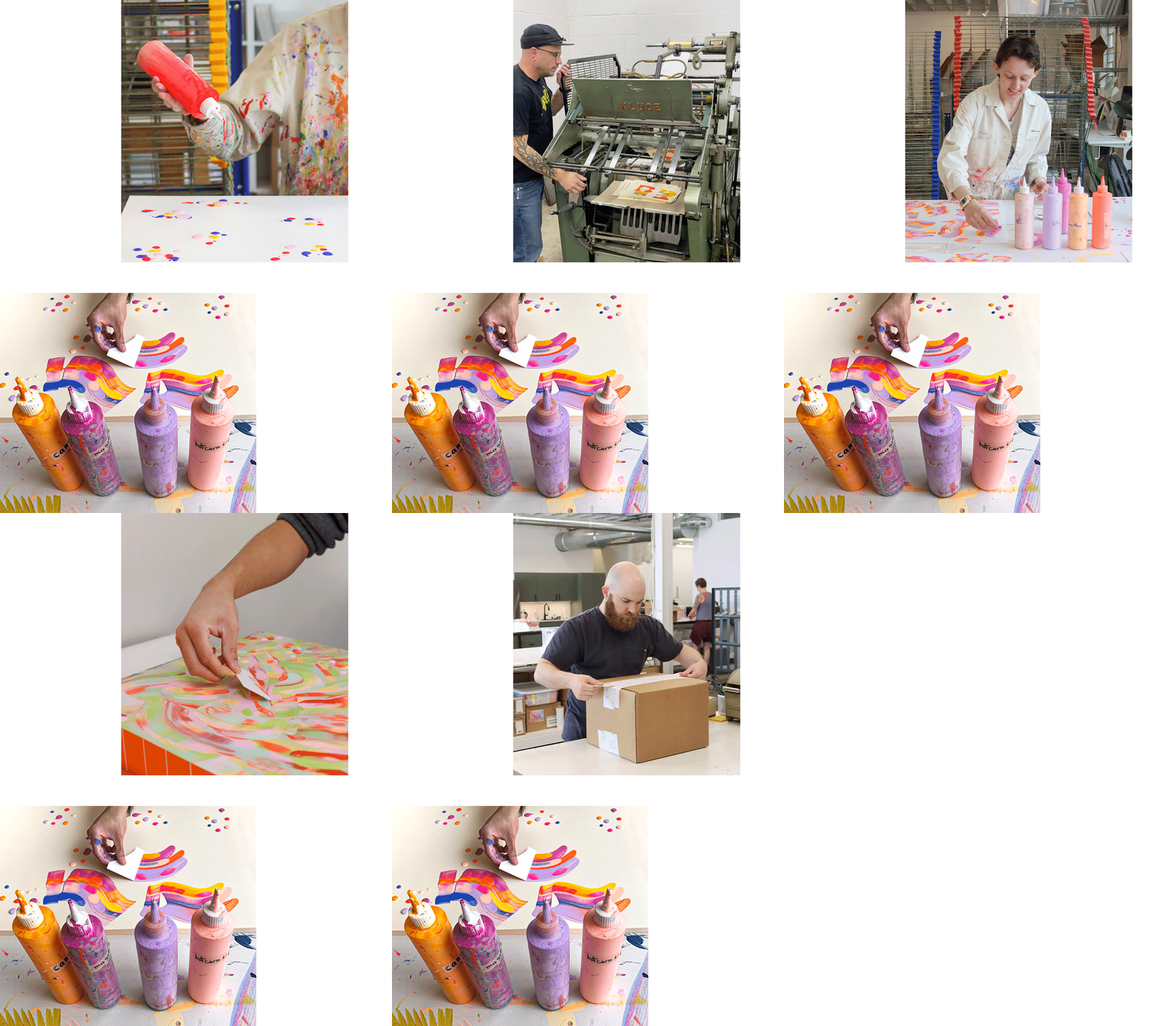
Moglea design studio, created by Chad and Meg Gleason, has become a huge inspiration for me. They are famous for their unique approach to stationery and paper goods, blending traditional arts with modern trends. The way they create these one-of-a-kind, handcrafted products through methods like hand-painted patterns and letterpress printing is just amazing. It’s like they’ve found the perfect balance between the old and the new, creating items that feel both timeless and fresh.
As a designer, Moglea's dedication to craftsmanship and their ability to mix traditional techniques with contemporary design has really influenced me. Their work shows how valuable it is to preserve traditional methods while still embracing the latest trends. This inspiration has shaped my own vision of a design studio. I dream of having a studio that not only makes unique handmade items but also carries a special message. Moglea's approach motivates me to create a space where creativity and craftsmanship come together, offering clients products that are innovative yet deeply rooted in artistic traditions.
Wolff Olins is a top design and branding company that's known for its innovative approach to creating impactful brands. They master the art of crafting unique identities that really stand out, blending strategic thinking with creative brilliance. Their work covers various industries, delivering solutions that are not just visually stunning but also deeply meaningful and effective in telling a brand's story.
Thus, as a designer, Wolff Olins has been a huge inspiration to me. Their ability to mix aesthetics with strategy and create powerful, memorable brand identities is something I truly admire. I remember when I was doing my bachelor's degree, I was so eager to get an internship with Wolff Olins. I wanted to work for them so badly. I just loved their aesthetics and the way they explained their approaches and the stories behind their projects. Their dedication to pushing boundaries and redefining what design can achieve has had a big impact on me, motivating me to strive for excellence and innovation in my own work. Also, brand identity is something I really used to hate, and I never found any motivation or love for it. But after seeing what Wolff Olins does, I started to like this path. It taught me that I can never truly know the path I'll take until I try.



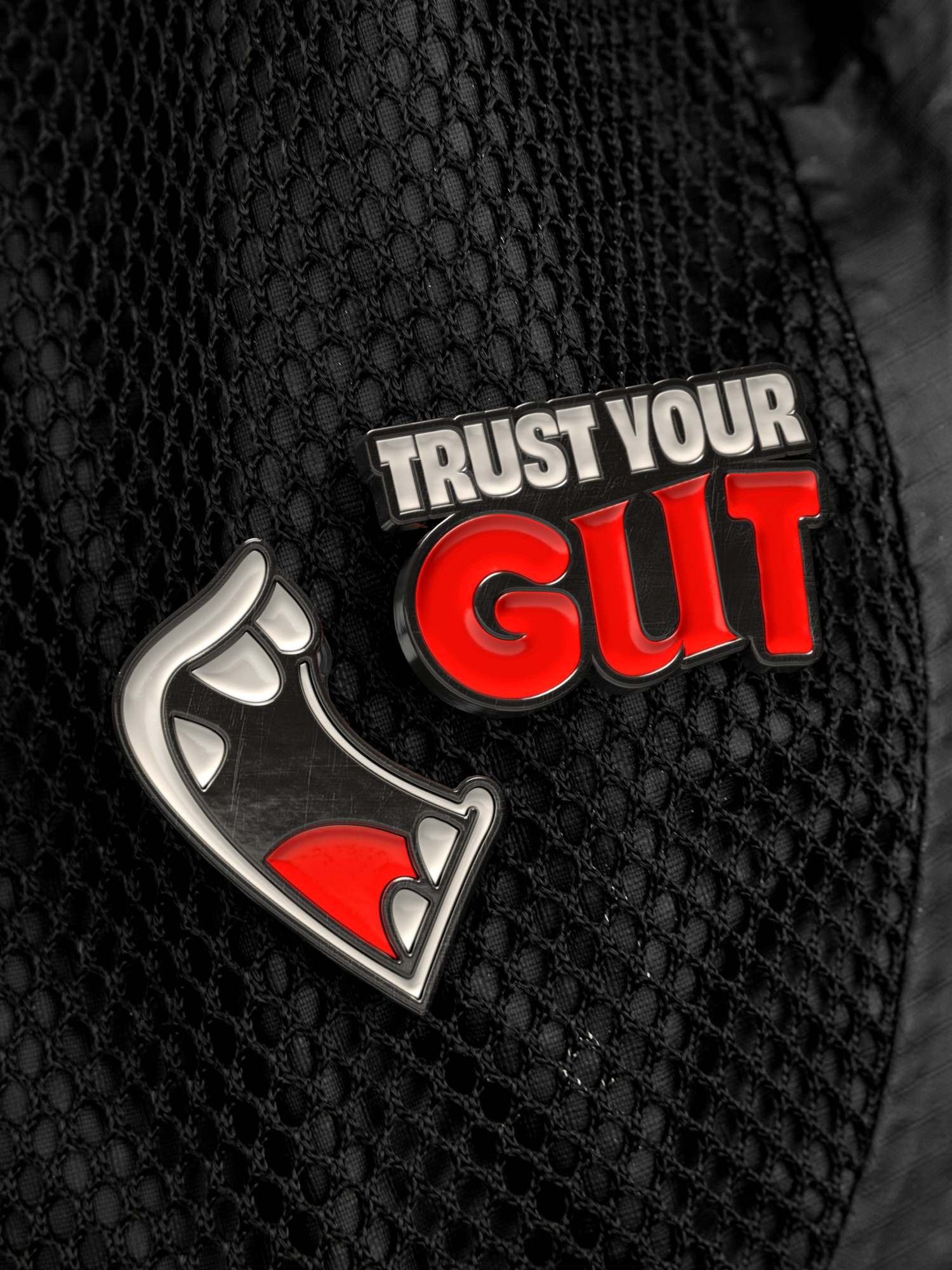
Bite Back is an activist food company dedicated to fighting for a more just and sustainable food system. They focus on raising awareness about food justice issues and advocating for change to ensure that everyone has access to healthy, affordable food. Wolff Olins took the core idea of Bite Back and built a powerful brand that is now widely recognized. This transformation really changed my perspective on the power of a brand and how a strong brand identity can turn a great idea into a successful venture. It made me realize that even if an idea is amazing, without a compelling brand identity, it might go unnoticed because we live in such a visual world.
When I started thinking about what I wanted, I realized that I have to focus on how my brand can stand out and be unforgettable. Wolff Olins showed me that a strong brand identity is crucial in making any idea successful, and that’s something I need to consider for my own future projects.


MONOTYPE
MONOTYPE
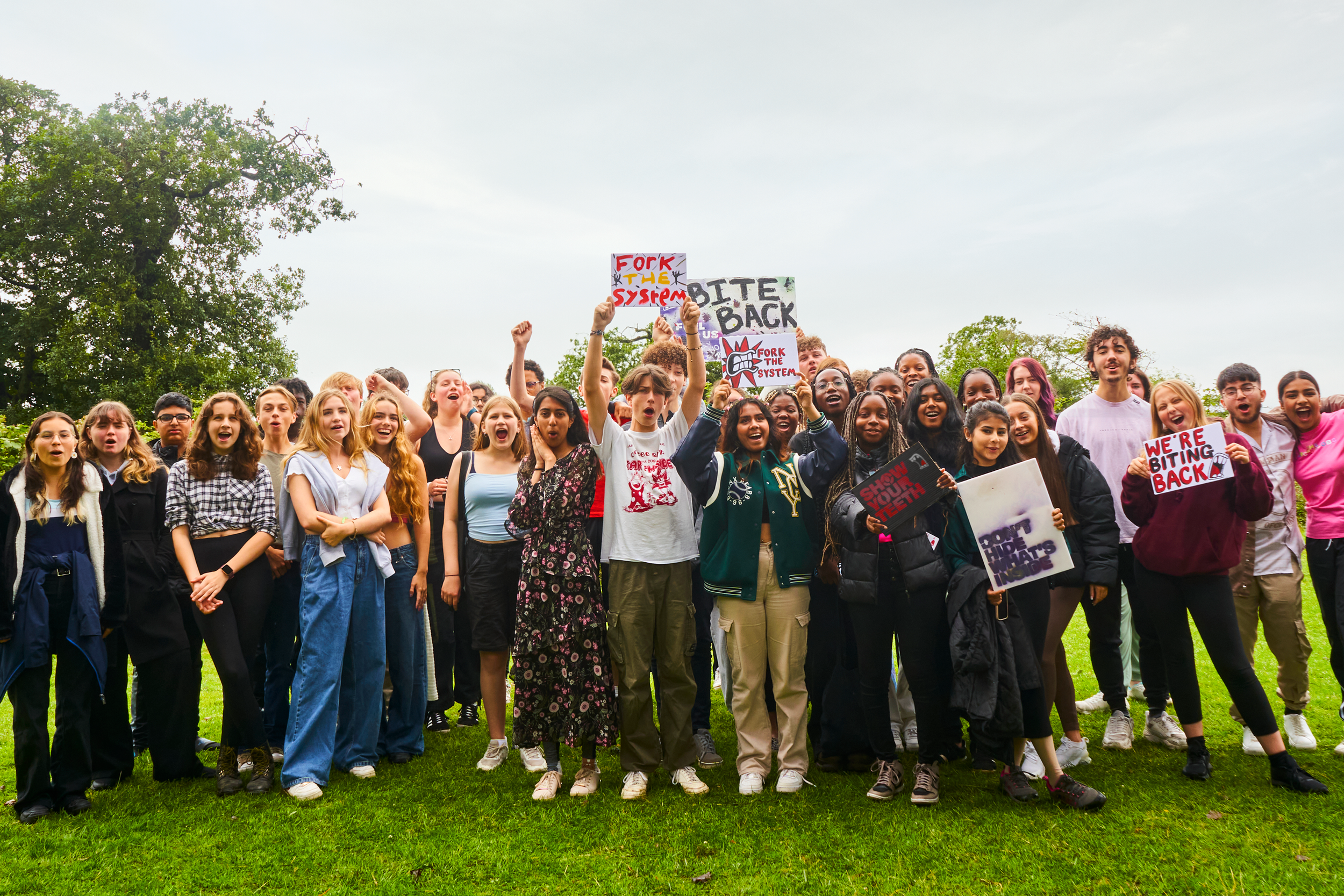
Typography has always been something I'm passionate about. I remember when I was in school, I was often asked to write on the board. I was the student whose notes the teacher would take. My sketchbooks were photocopied and given to other students because of how organized my handwriting was. I love everything about how each letterform is created in all languages. I’ve always found a passion in the art of typography, but I never liked to play by the rules when it comes to type. I love experimental type, where I get to have fun and create unrealistic fonts that can only be used at a large size.
When I discovered the Monotype design studio, I fell in love with the different typography styles, fonts, colors, thicknesses, crookedness, and uniqueness in every font. I loved how the Monotype studio is so diverse, international, and eccentric. However, even though I love typography so much, I wouldn’t want to open a type studio. Type, for me, is a storytelling tool. When I create a typeface, I tell a story. So, if I were to create a type studio, I wouldn't know what I would sell or what my clients would want from me. I only love to create type when I see a problem and I either want to raise awareness, fix the problem, or make a positive change in the world.
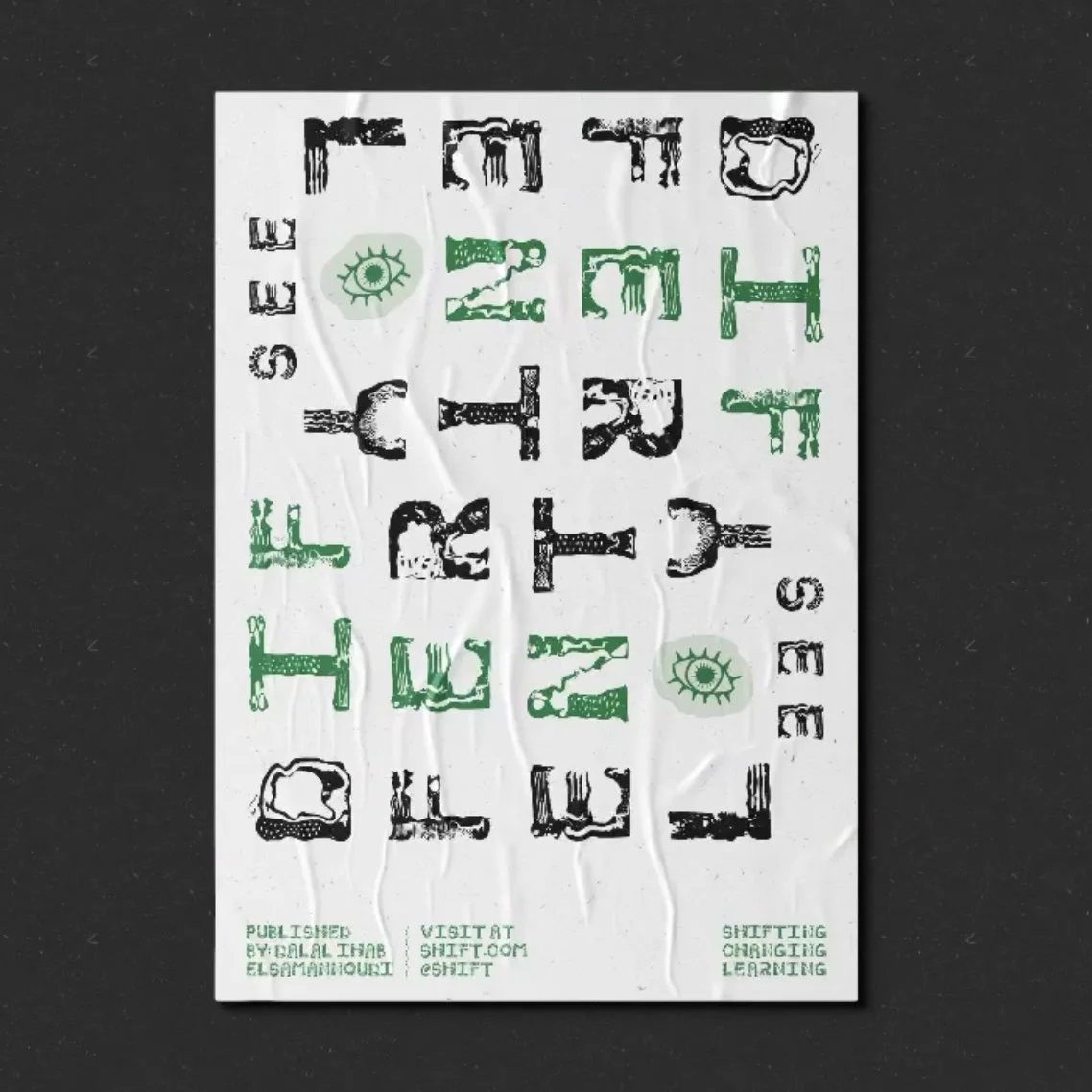
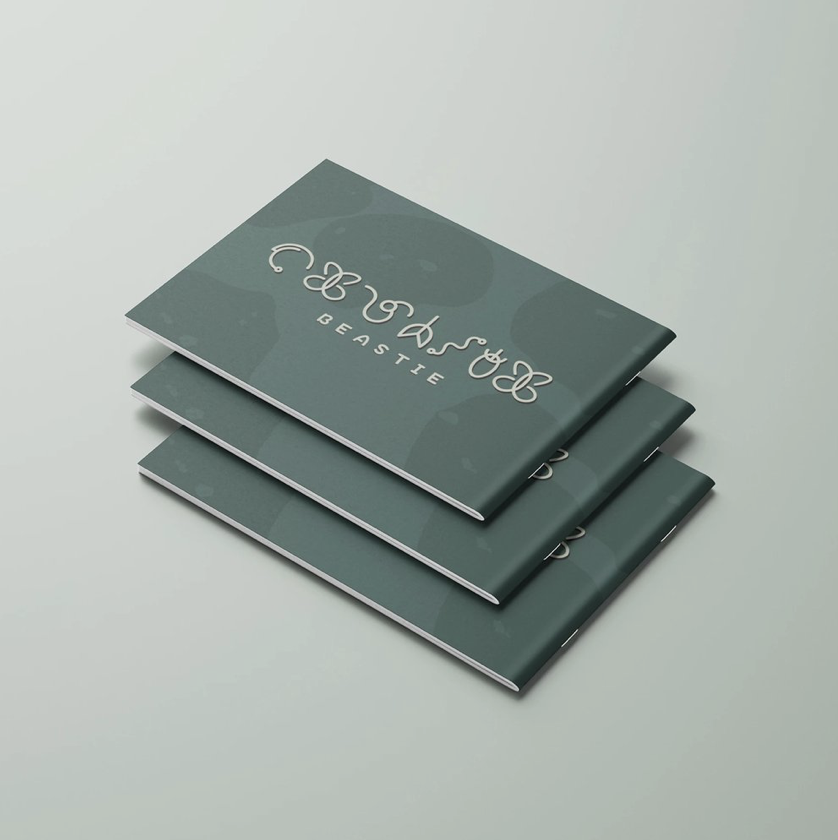
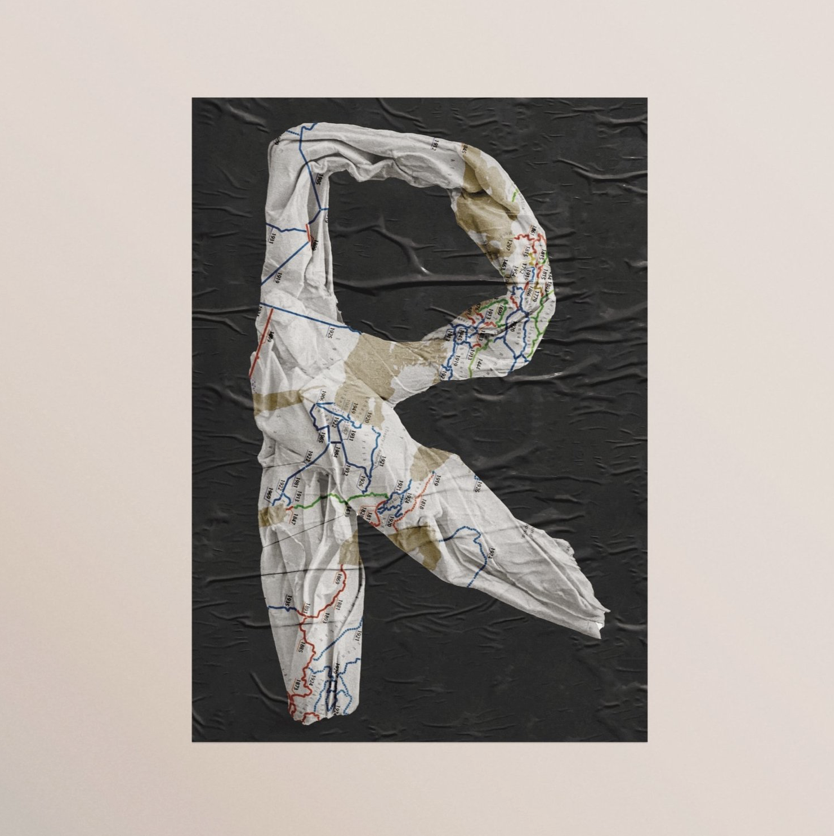
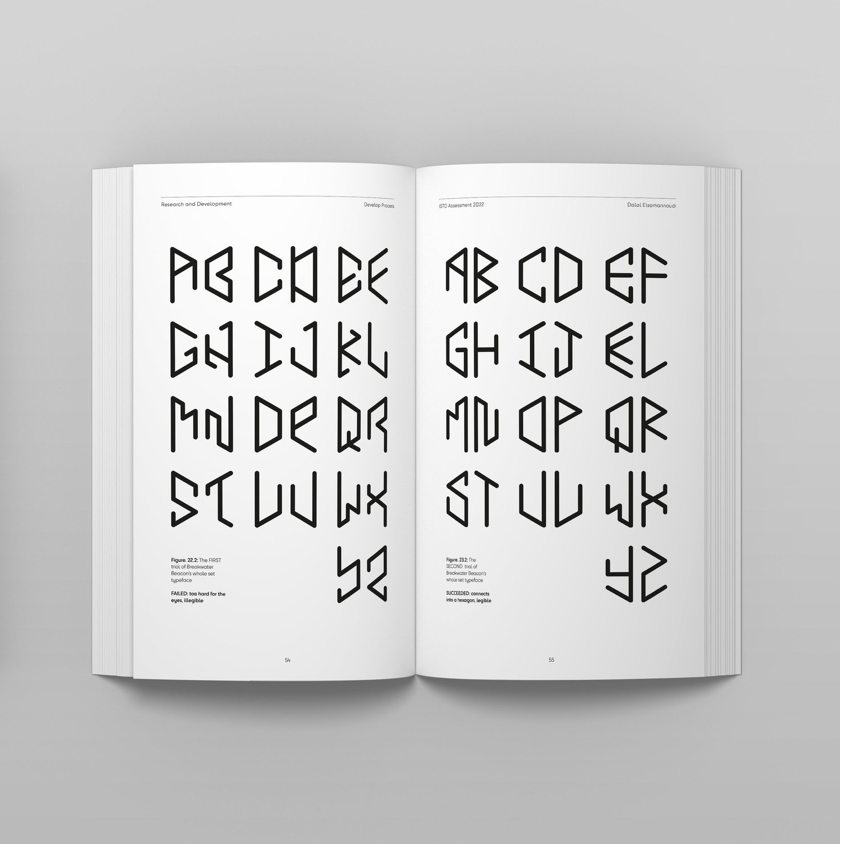
It’s very hard to think of the kind of studio I would have. If you look further down, you will see some of the typefaces I have done in my life. Each one tells a story and is very unique. To be able to use these fonts, there are many things to consider, like licensing and copyright issues that I need to learn about. So, it’s a good start.
Different TYPEFACES I made over the years
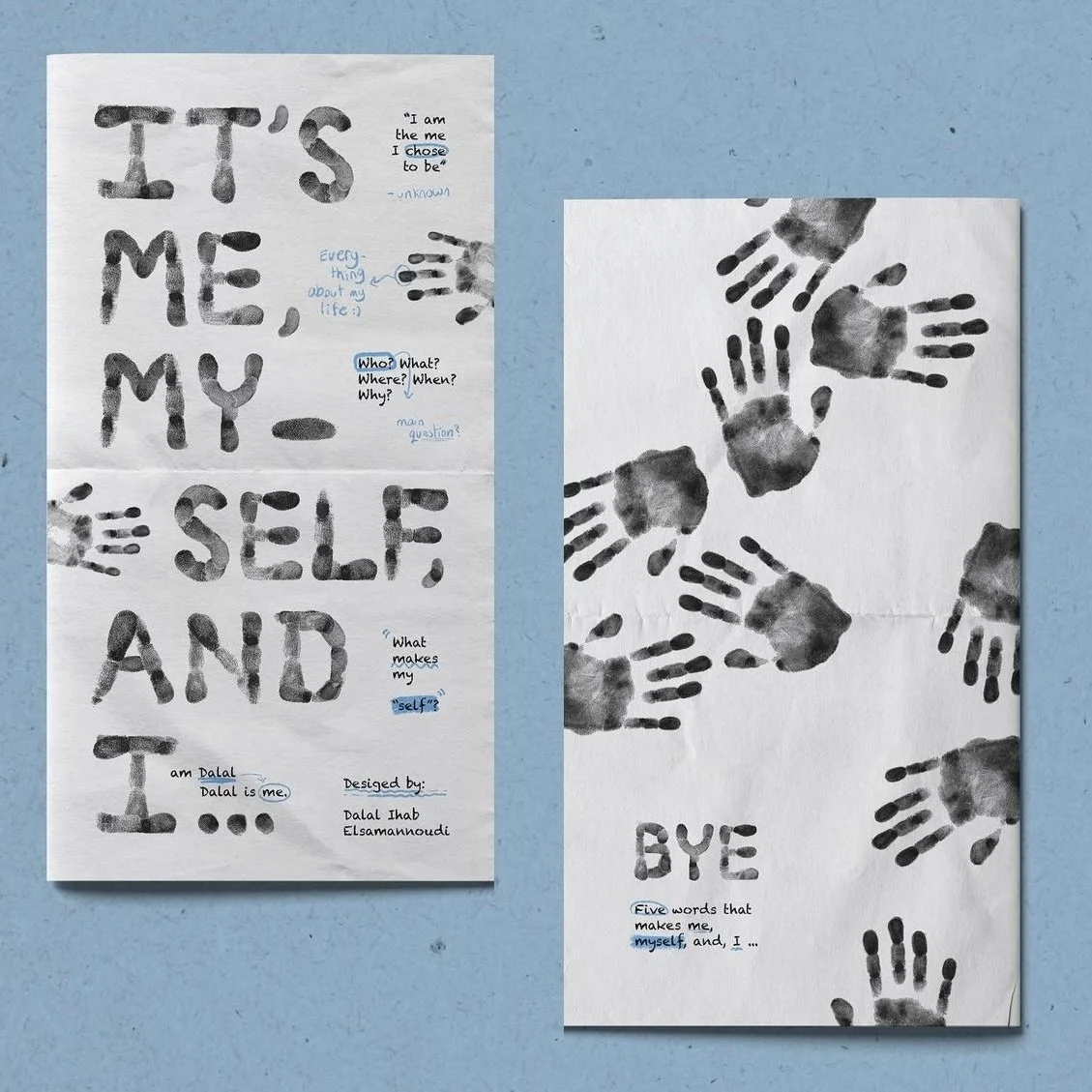
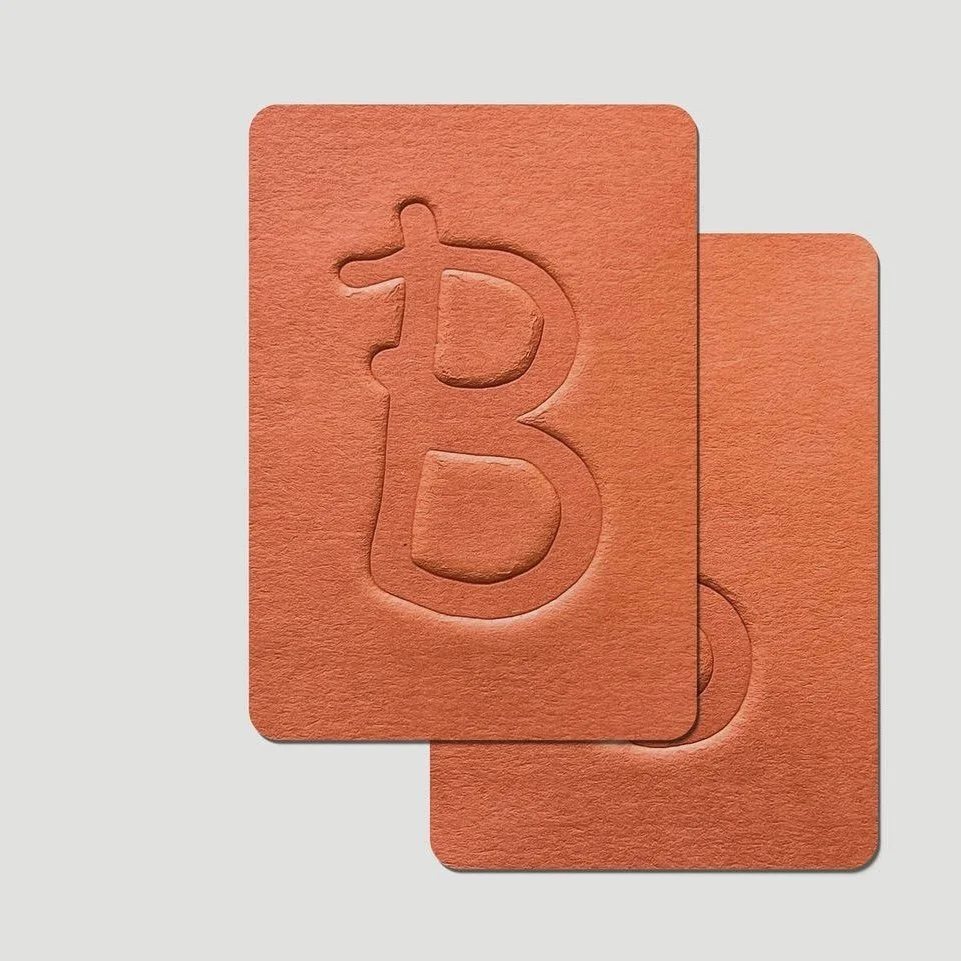
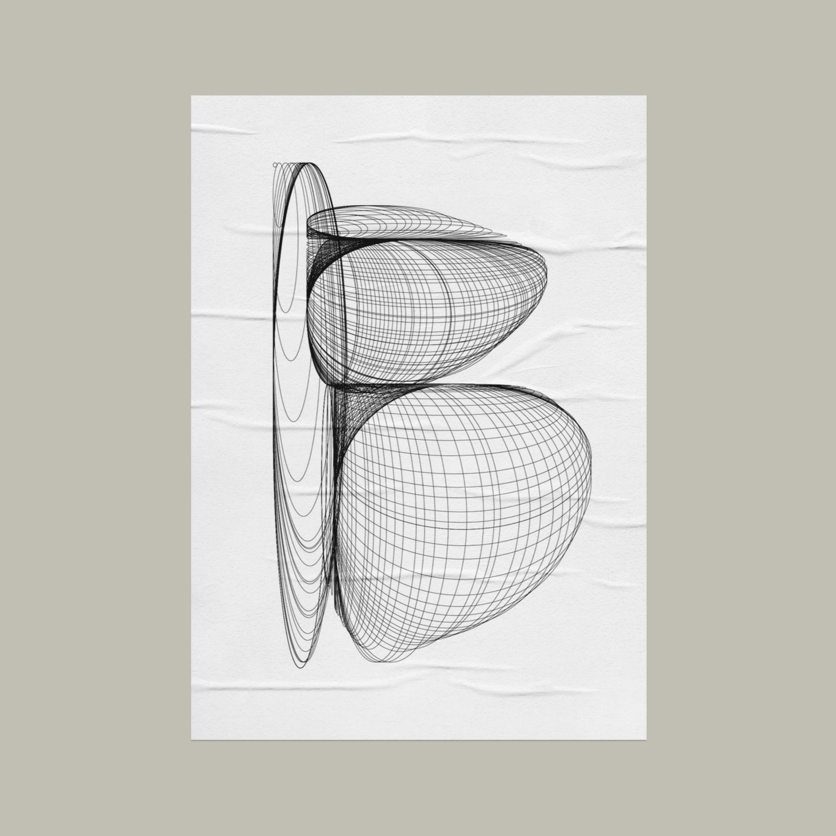
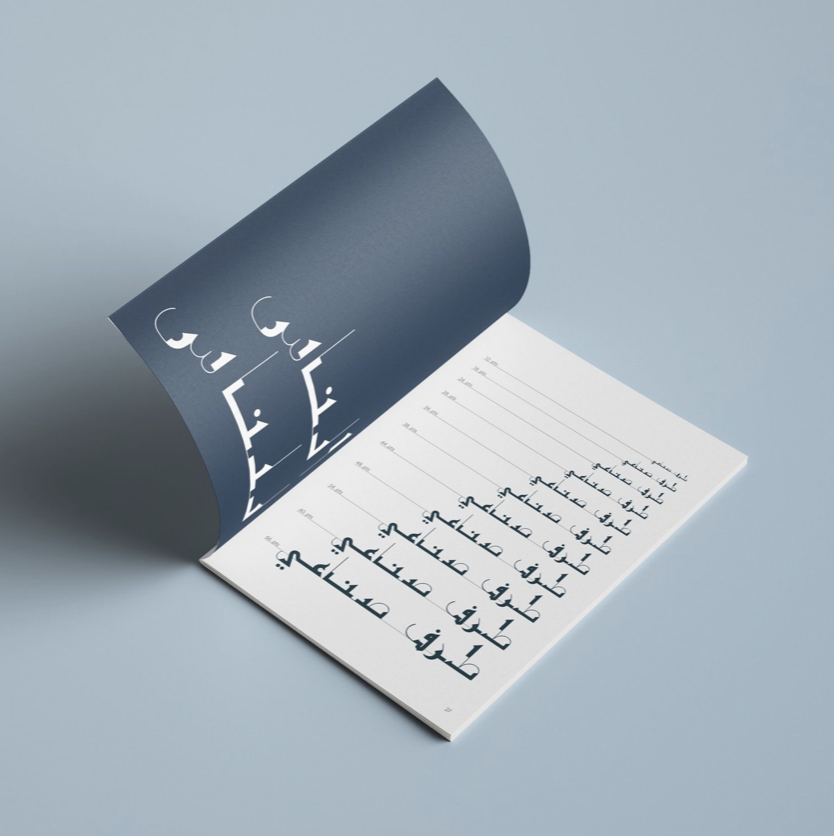


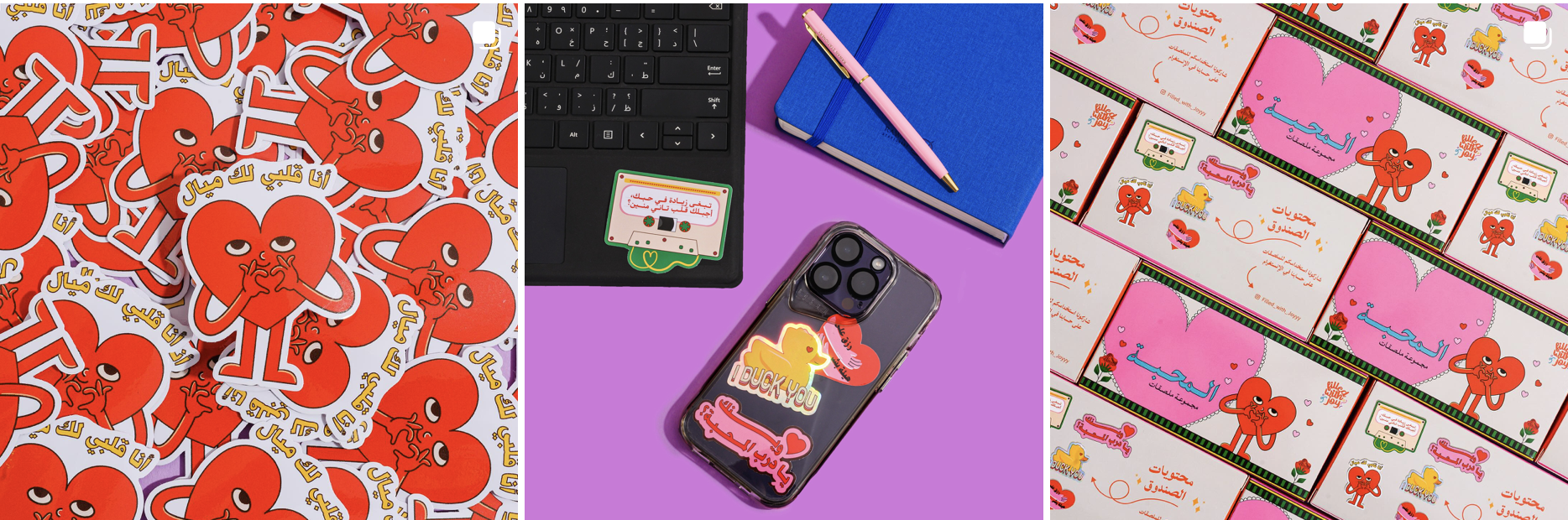
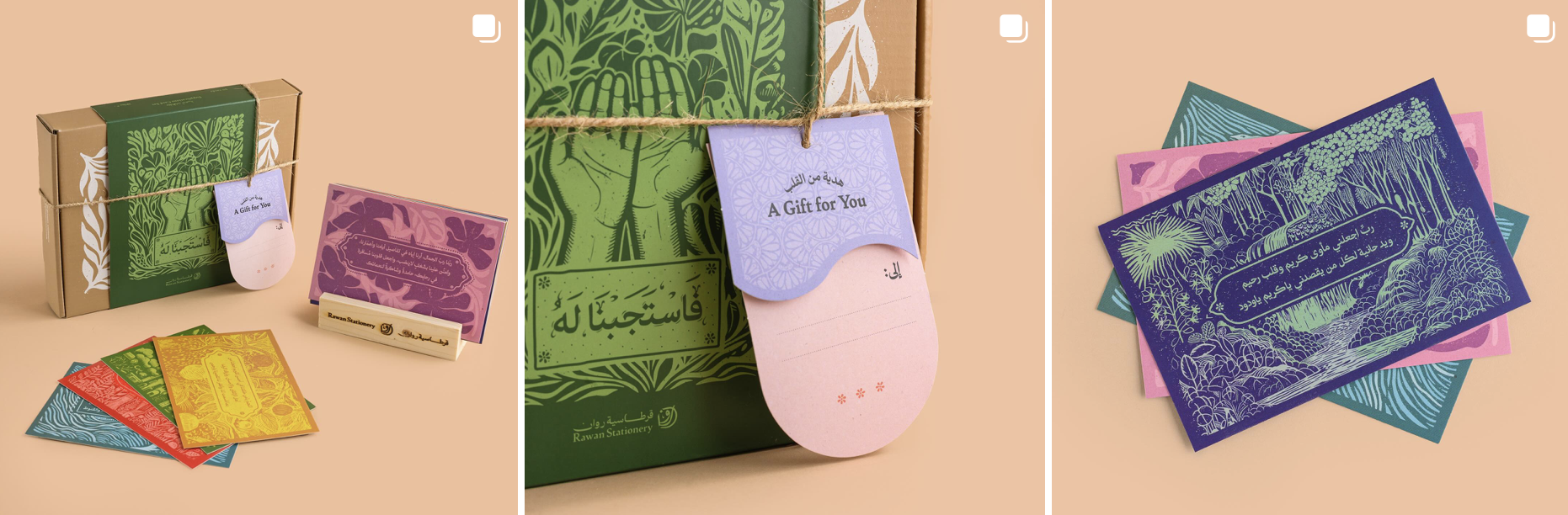
For 18 years, I've lived in Jeddah, Saudi Arabia, and there was a place called Rawan Stationery. It's a brand that specializes in creating unique, high-quality stationery products. They offer a range of items like notebooks, planners, pens, and desk accessories, all designed to boost productivity and creativity. Their products often feature stylish designs, premium materials, and practical functionalities, appealing to students, professionals, and stationery enthusiasts alike. Rawan Stationery combines aesthetics with functionality, ensuring each product looks good and serves its purpose effectively.
Every year, I wished I could collaborate with Rawan Stationery. I wanted to have my own studio, find designers, build a community, and have people wanting to showcase their work with me. Finally, in 2024, I made my dream come true. I contacted them and asked if I could share some of my designs. I sent my designed, printed, and packaged products, and it was a success. I felt an incredible high, like I had achieved something amazing, but then that feeling faded, and I was left wanting more. I wanted to do more.
So, I started creating more designs and sending them to Rawan Stationery. However, I realized I wasn't gaining much in return. I was happy to sell my stuff, but I wasn't selling it at the price I wanted. I had to make sacrifices and learned how tough the business world can be. Despite the challenges, I was able to materialize a dream I had, which makes me believe in myself. If I managed to work with Rawan Stationery, why not create Dalal Stationery? Nothing is impossible.
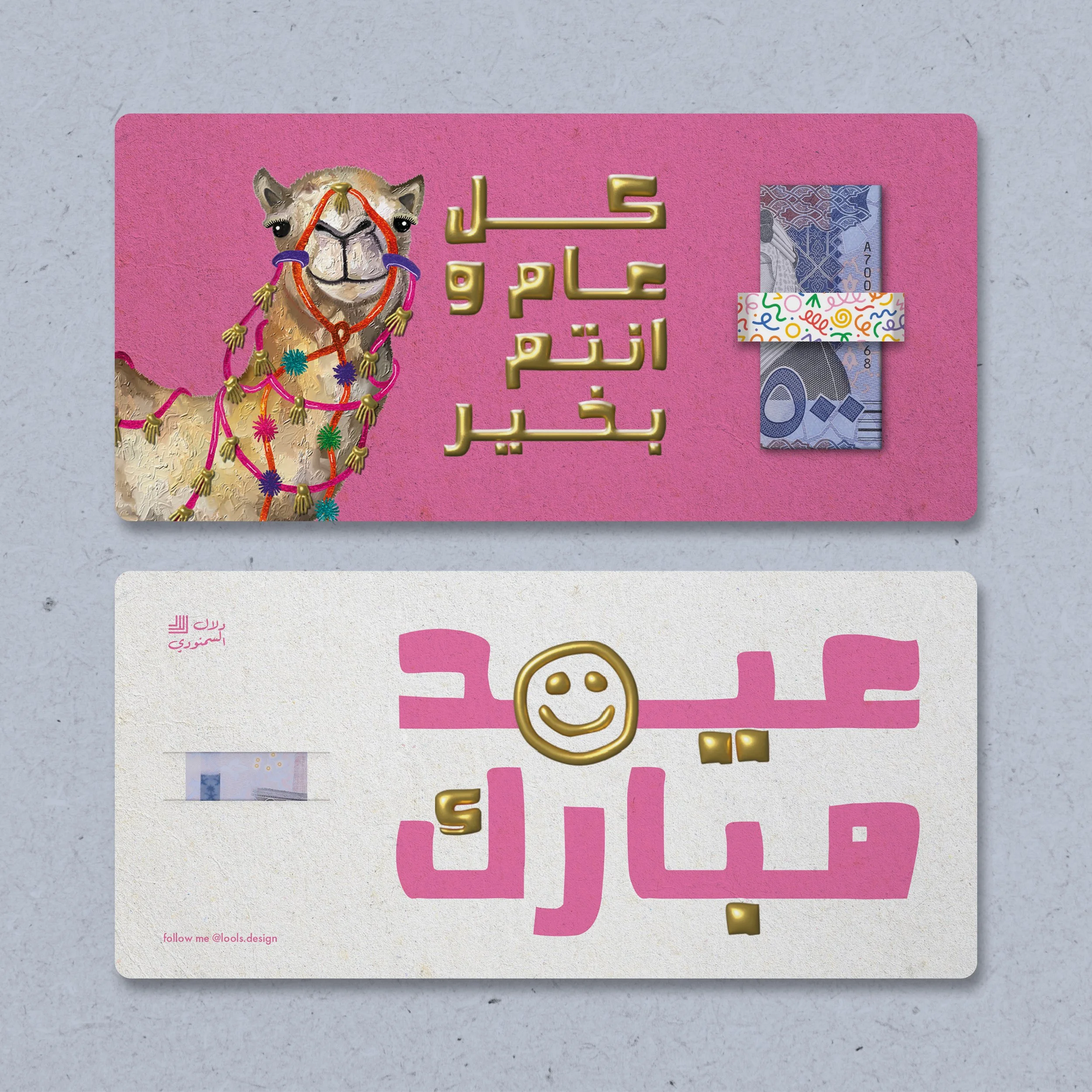
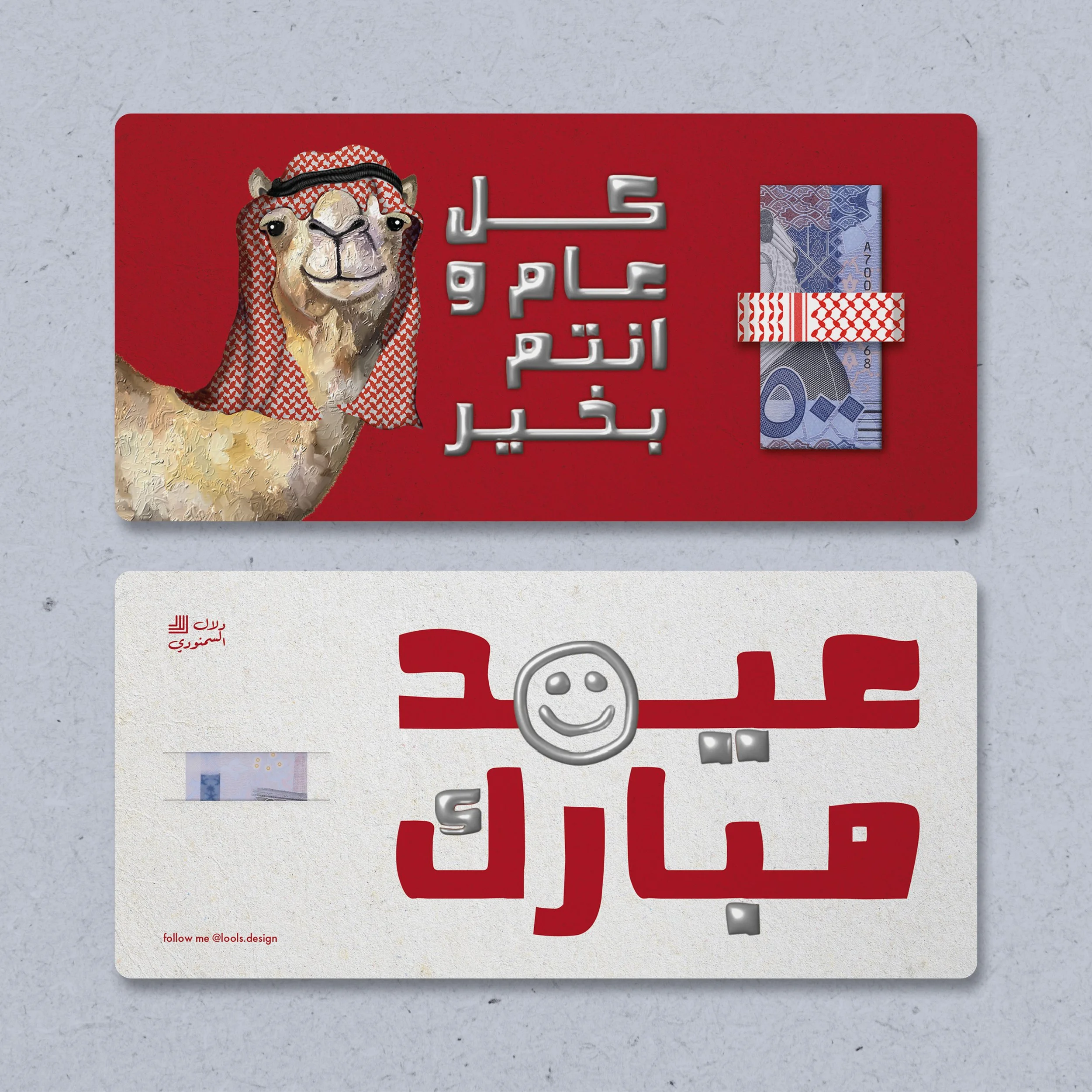
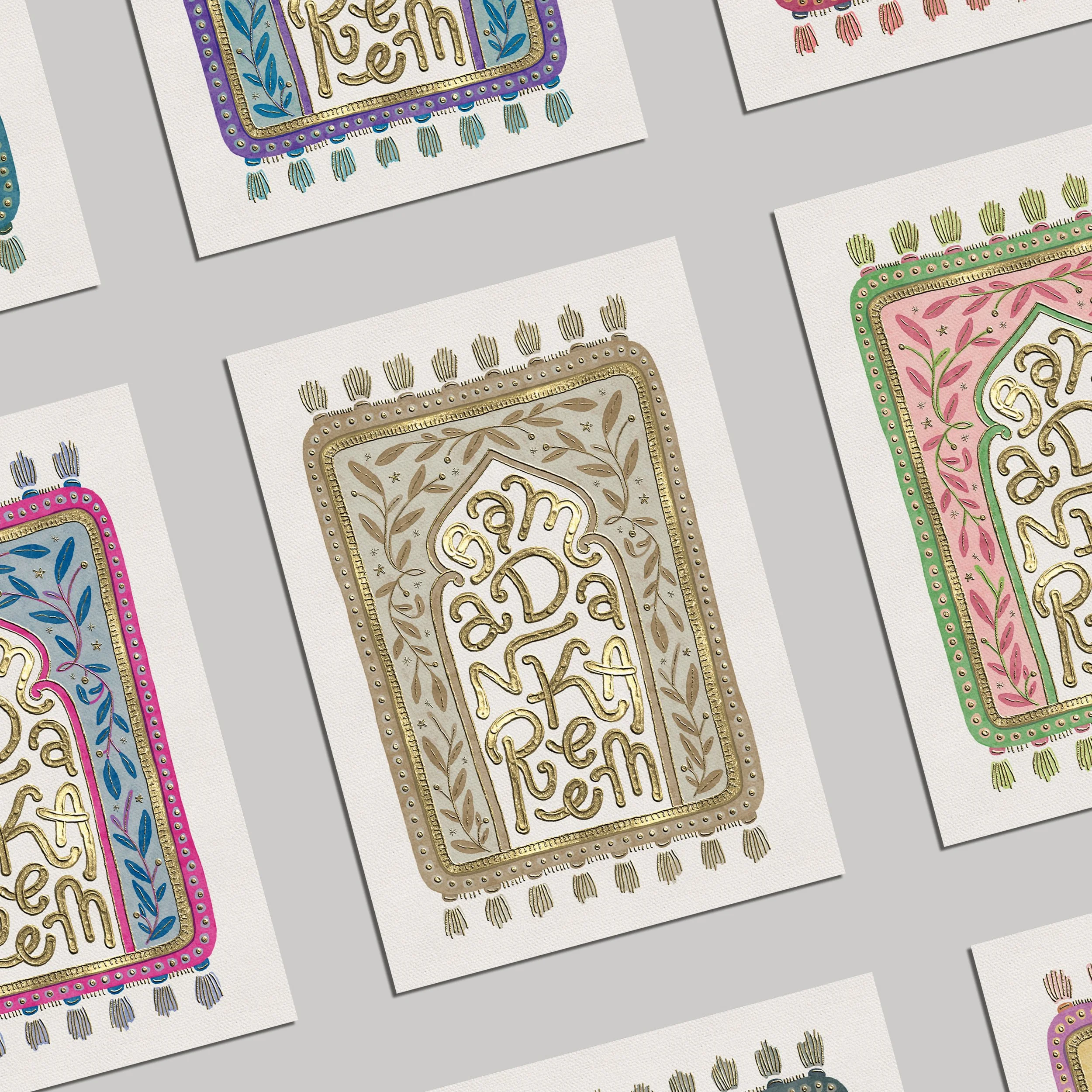
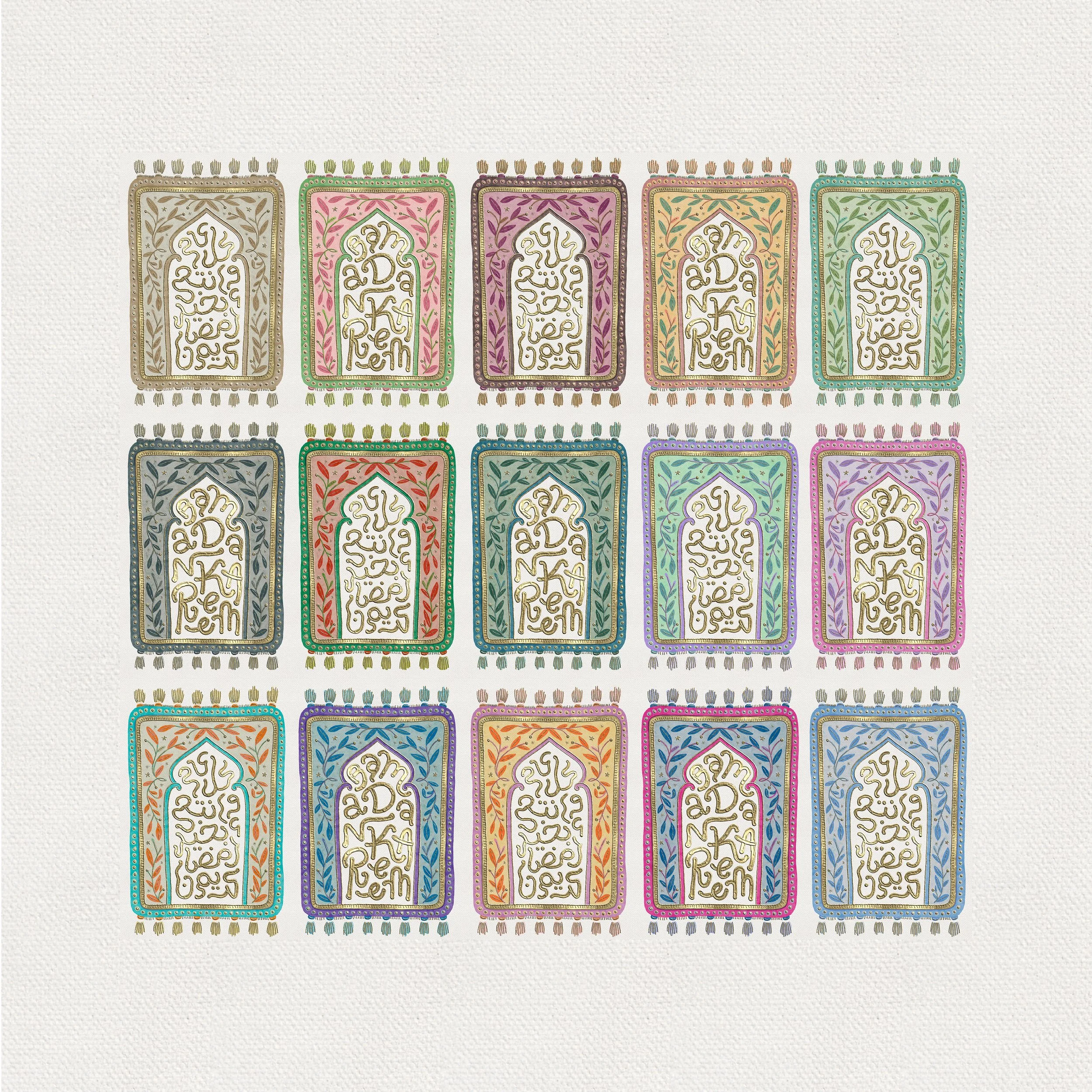
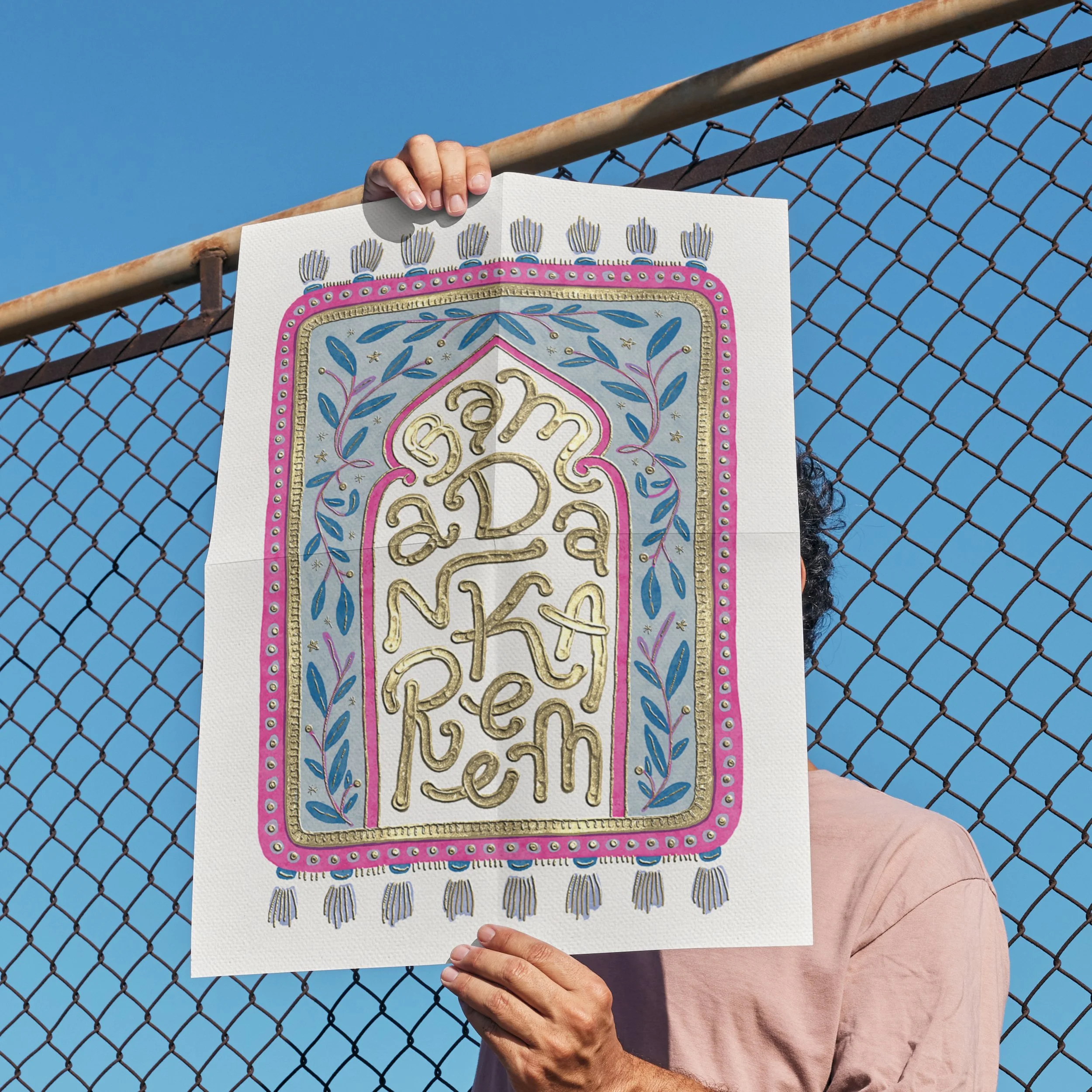
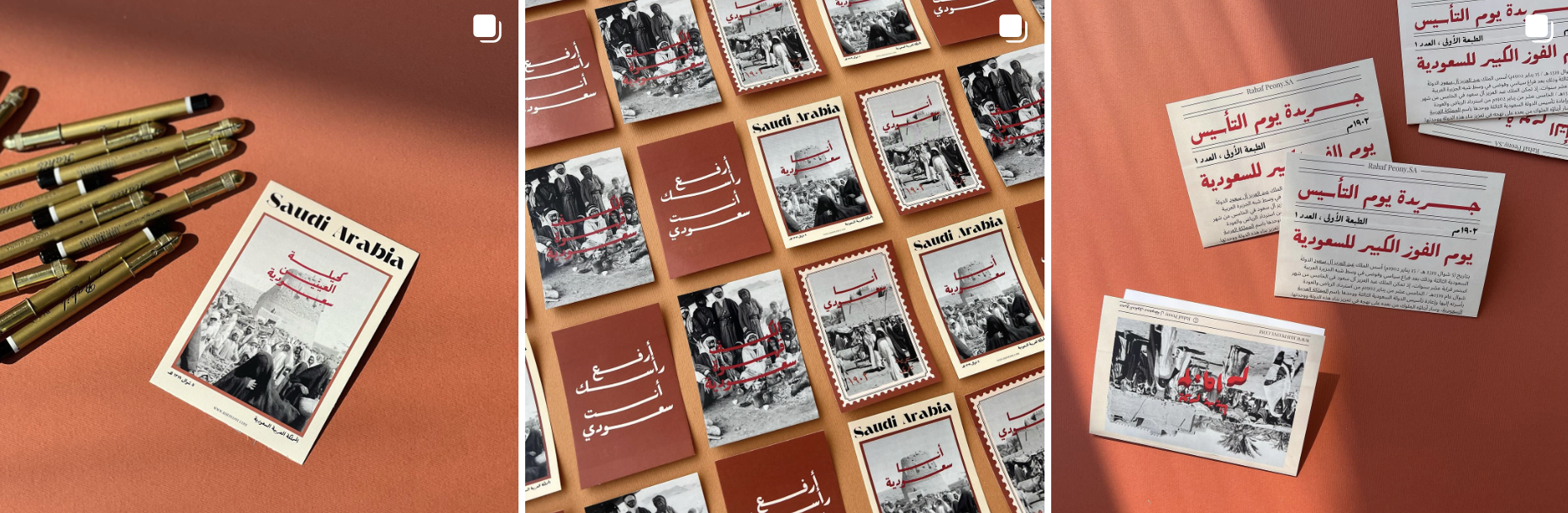
The two posts on your left showcase some of the occasion cards I've designed and sold. The first one is Eid Mubarak cards, and the second is Ramadan Mubarak cards. You can check my Instagram @lools.design to see more of my designs.
PROJECT PROCESS:
Brainstorming Ideas:
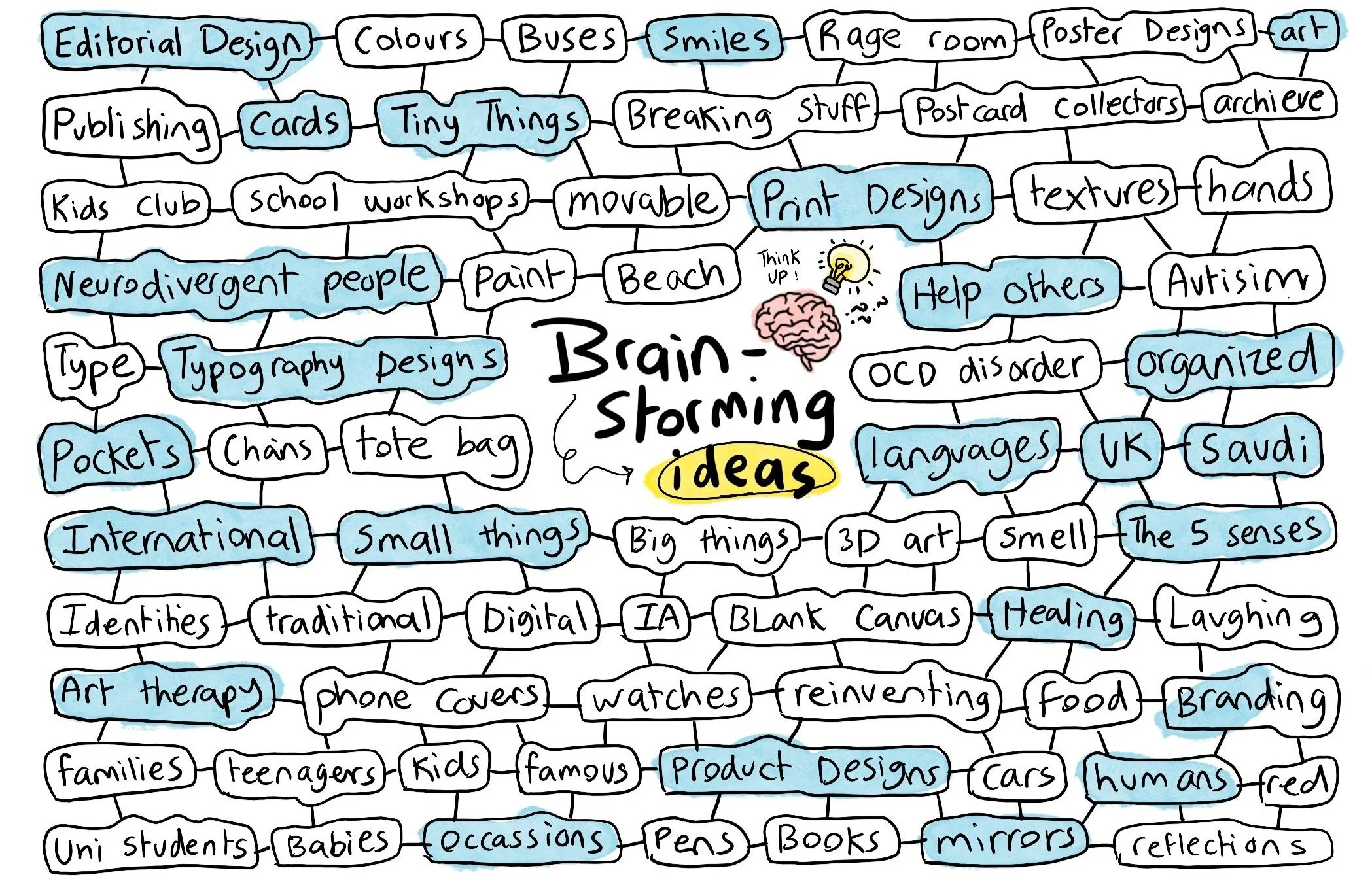
After completing my weekly tasks, I started writing down every idea that came to mind without even thinking. I just wanted to put everything down without it making sense, not even to me. Then, I highlighted some of the words that somehow sparked an idea, even though it was still a raw draft. Thanks to Alex Osborn, the creator of brainstorming—which was originally called “Think Up,” a name I think is much nicer than brainstorming—I was able to think of diverse solutions for various problems just by amassing all the ideas spontaneously. I then decided to leave my brainstorming sheet for a few days and learn about business. So, I took a five-day online course. I couldn’t attend all the lessons, but I did read all the materials that were given, including the presentations and presentation notes.
The online course on Entrepreneurship and Design thinking by Dr. Abdullah Aldamak & Ms. Rawaa Bakhsh
The main major outcomes of the course:
Generate, recognize, and evaluate entrepreneurial opportunities.
Find and begin to validate an idea for a business.
Articulate and refine your value proposition.
Develop a professionally designed business plan.
Explore the marketing and legal requirements of a start-up business or non-profit venture.
Day #1: Entrepreneurship & Design Thinking


Entrepreneur's Oath:
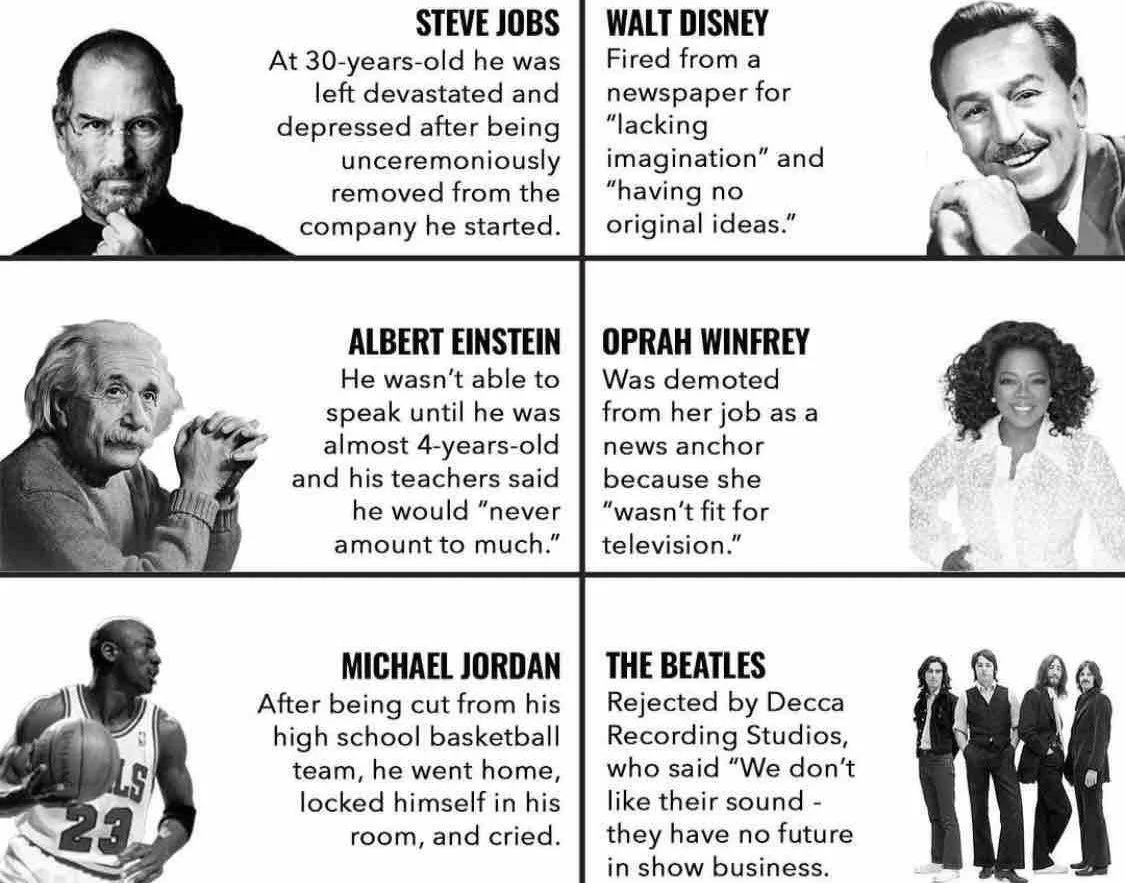
I will fail and fail again until I succeed…
What I learned:
I always heard the term entrepreneur but I didn’t really know what it meant or what they actually do until now. The thing that really drew me to entrepreneurship is the ability to be my own boss and do the things I desire rather than working in an office job being told what to do. But still, being a free entrepreneur is like a prison because I am free to do what I want, but the resources around me are not. So I have to master many aspects like persuasion, leadership, accountability, goal orientation, problem-solving, self-management, etc. And when I look at myself now, I realize that I have maybe two of these or even none. So, actually, being free has a greater cost, and it's not as free as I thought it would be.
As a person with many passions, I get bored easily, and I’ve learned that for a business to be successful, I have to have a passion for it and believe that it will work even if everyone else does not. Like what Sam Winston said, "The main thing you need to do to do any of this, is yourself, that’s it. Trust not your head, not your intellectual mind, but you, that it will work itself out." So, that’s what I am going to do: trust myself before even thinking about my idea that I want to turn into a business. Even though starting something new is most likely to fail, as an entrepreneur, we have to maintain persuasion even after failure. That's something that really stuck in my head when Dr. Abdullah mentioned it. He said that being able to persevere and not give up even when everything is failing and nothing is working is what sets execution intelligence, and I want to have that.
As a designer, I have always followed the design thinking processes of discover, define, develop, and deliver, but I never really went into details. The new design thinking methods that I was introduced to, which include context and form, really explain how the design thinking method is divided and how it works better.
All in all, day one was very informative, and I was very excited to learn about all these new vocabulary words and things that teach about the design business world. I think that every university should offer such a course before graduation as it would really help graphic designers become business owners from an early age. I wish I had taken this course 3 years ago; I might have actually opened my own design studio.
Day #2: Business Model Canvas (BMC)


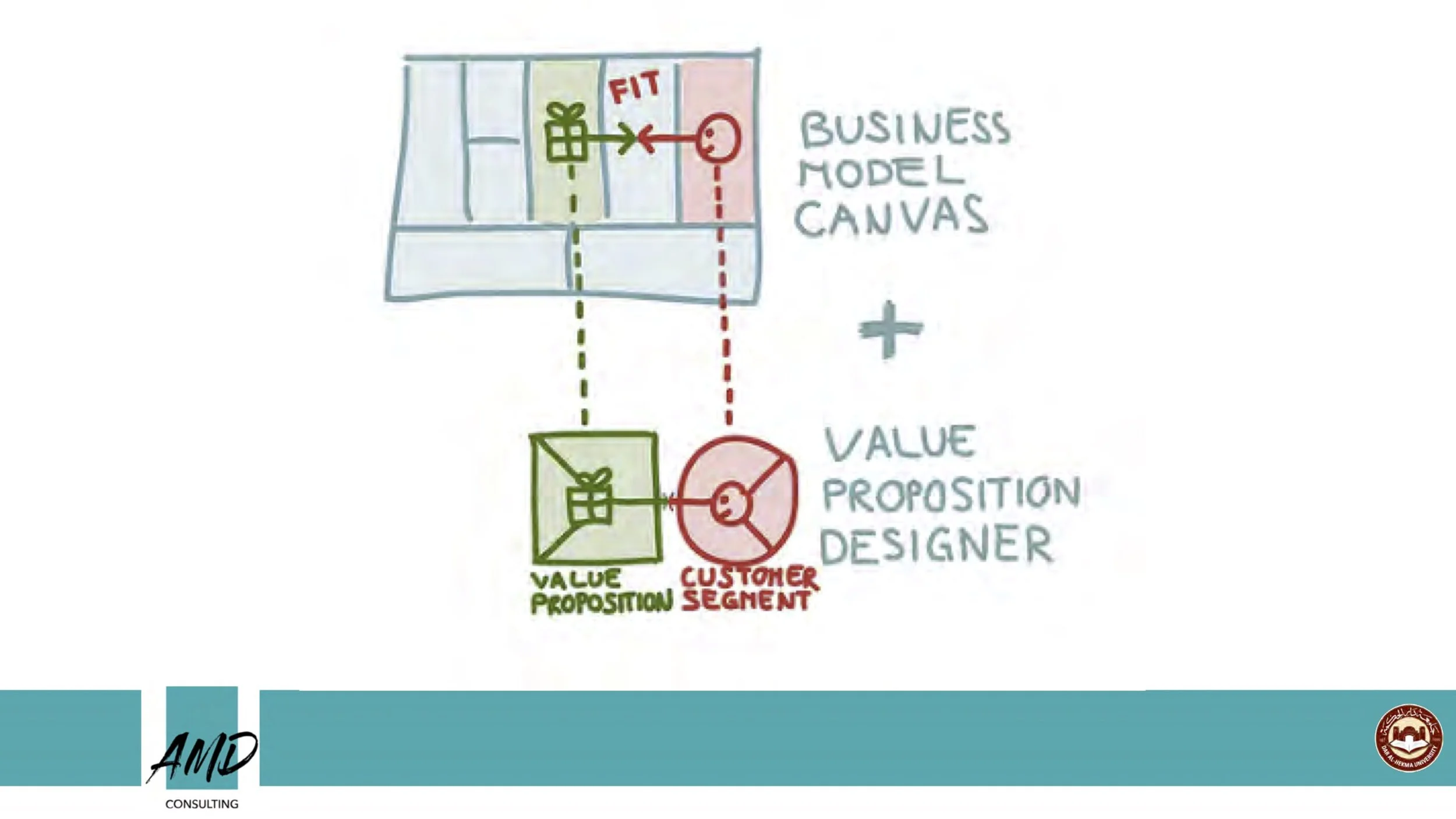


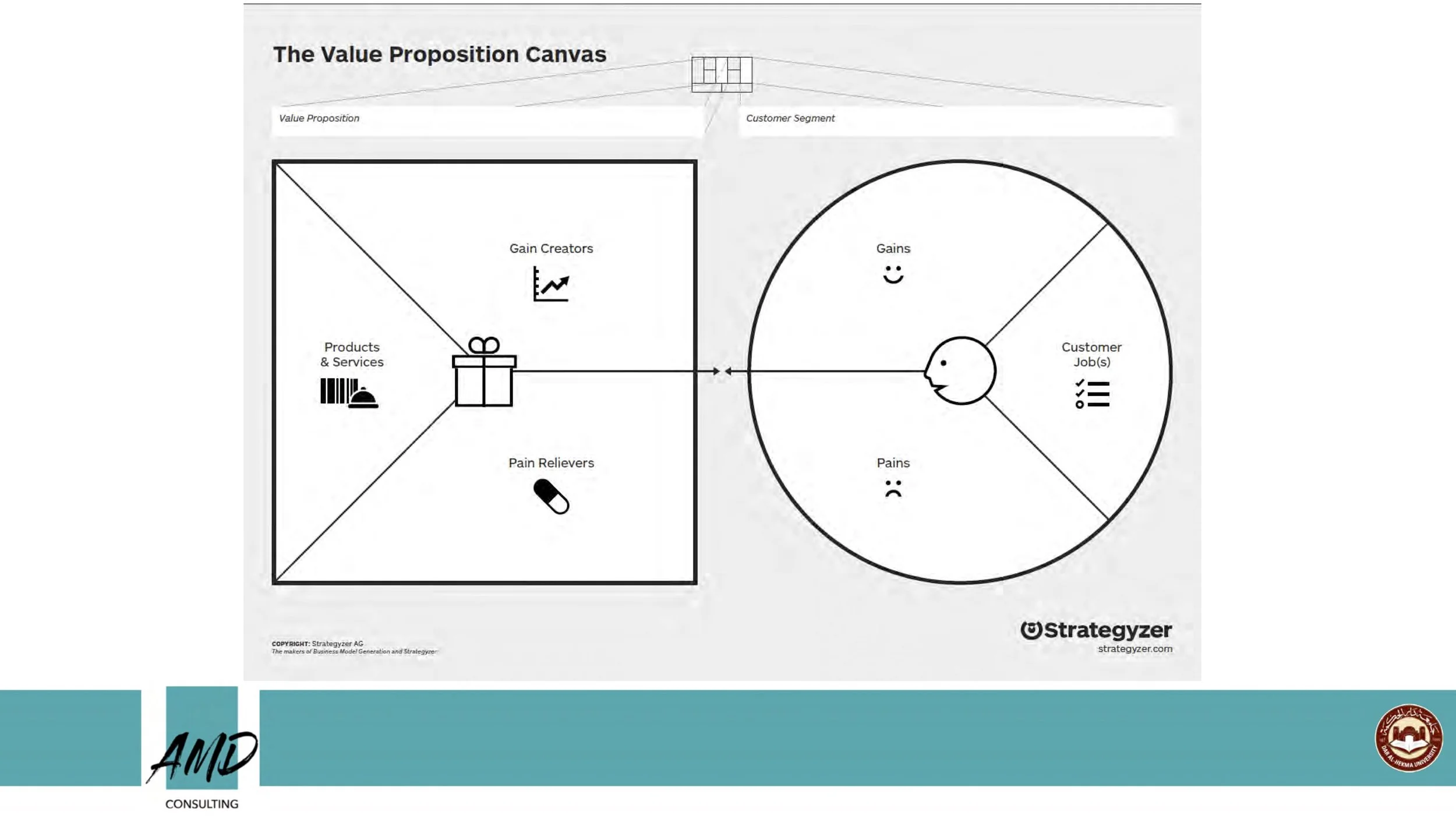


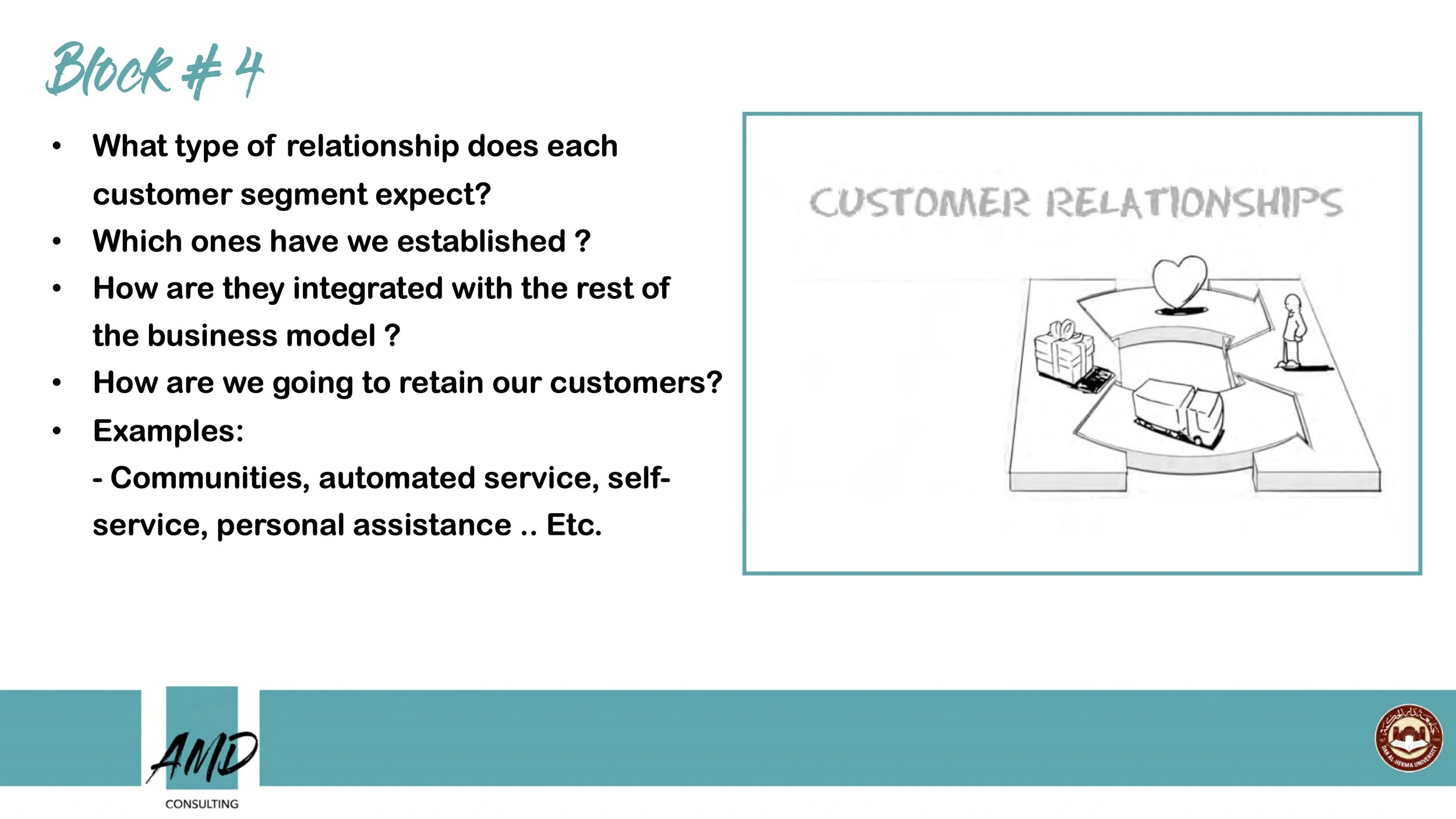


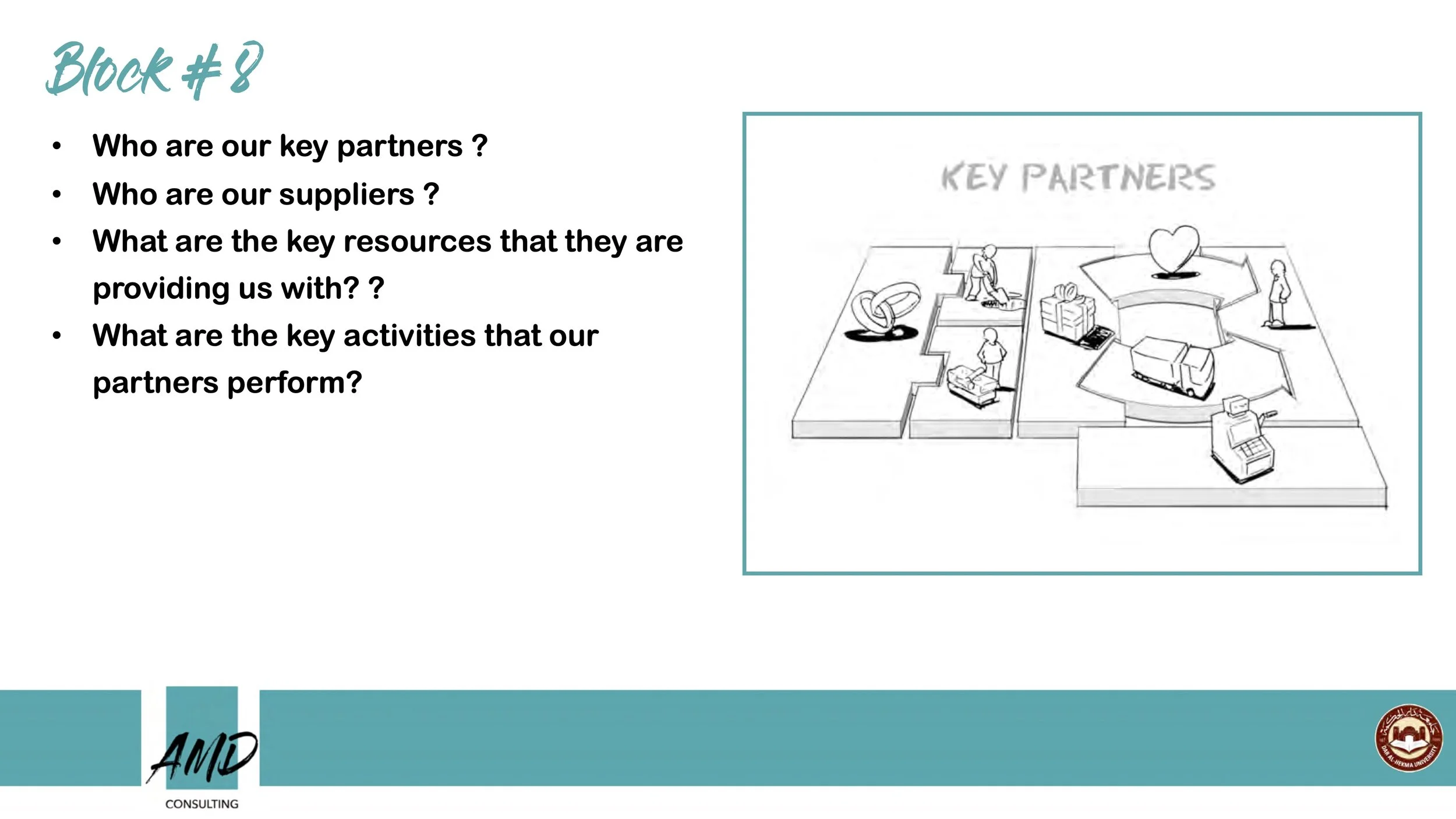


What I learned:
Day two was incredibly challenging for me. I struggled to grasp many concepts, and despite extensive research and reading, I still didn't understand what I was supposed to do. The focus of Day 2 was on building a business model and a Value Proposition Canvas—two terms that remained elusive to me until now.
However, I did realize how crucial they are for a business to succeed. To create a business model, I needed to answer key questions myself because if I couldn't articulate my ideas clearly, I wouldn't be able to explain them to anyone else. I had to understand what I wanted to do and why I was doing it to make it a reality. According to Alex Osterwalder, designing the business model is as important, if not more so, than building the product. I used to think the opposite—that creating the product first would naturally lead to business success. Now, I understand that's not how the business world works.
Dr. Abdullah explained the two methods of starting up: the traditional method and the modern method. Despite their differences, I hadn't tried either method before. As a new start-up designer in this intimidating world, I feel more comfortable leaning towards the modern method because it seems less risky and involves fewer steps.
Another important topic covered in the course was the lean start-up movement. Two significant figures in this movement are Dr. Alexander Osterwalder and Steve Blank. After researching both, I found myself particularly drawn to Dr. Osterwalder's teaching methods. I watched six episodes of his TV show on starting from scratch to reach your goal. As a visual learner, I find that seeing and listening helps me understand better than reading alone. These videos clarified what the Value Proposition Canvas is and how I can use it.
Lastly, I learned what the terms "pain" and "gain" mean in a business context. When a customer experiences pain, I can address it with effective painkillers to solve their problems or alleviate their discomfort. In the gain section, I learned how to enhance their gains to achieve satisfaction. The three words that are currently stuck in my head are "get, keep, and grow." Get customers, keep them happy, and grow the business. It's a simple yet powerful mantra.
Day #3: Startups challenges & BMC Revision


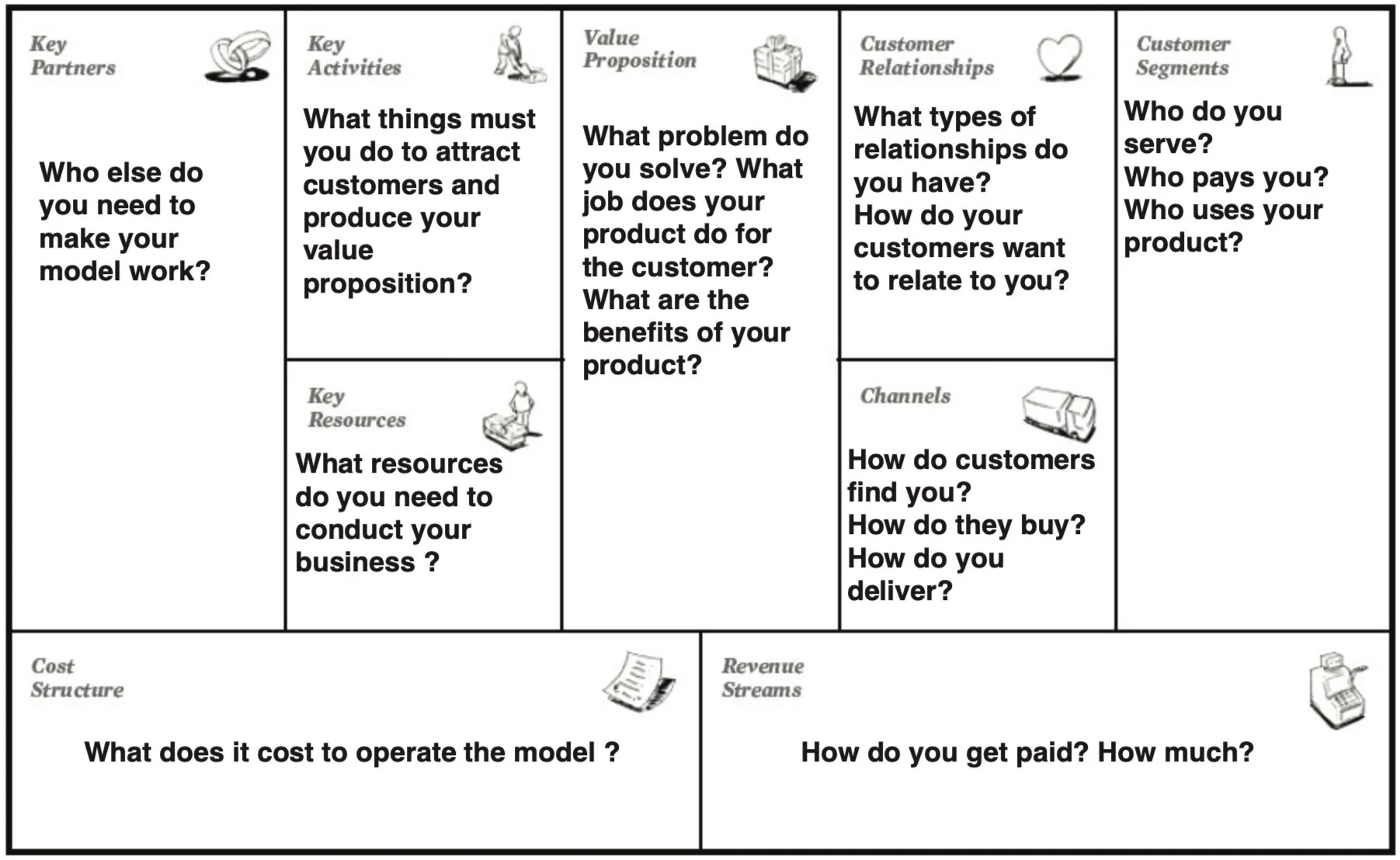
What I learned:
So, day 3 was when I started to get bored with all these business tasks. I mean, it's getting to be too much for me, but alright, here it goes. Dr. Abdullah began talking about why startups are hard and often tend to fail due to several factors. He mentioned how they are costly, people are reluctant to take risks, there aren't enough customers, and more. What I understood is that, like every starting point in life, the first step is hard, but when it comes to startups, it's a package of hardships. Anyways, things do get easier when everything starts to take shape.
Furthermore, he explained how startups are different from established companies and what differentiates them. Startups are new, chaotic, search-oriented with no road map, while a business company has a known history, predictable processes, existing cultures, and so on.
Moreover, I was today years old when I found out that Airbnb stands for "Air Bed and Breakfast." Listening to how they started their company really inspired me. They started from nothing, and no one was there to help them. Literally, no one wanted to invest because they thought if rapists, killers, or robbers started to use their company, everything they worked for would come crashing down. So, no one believed in them, and they had serious amounts of debt and problems, but they didn't give up. Their Value Proposition Canvas worked, and this makes me believe in what I learned and how I can apply that in my life.
Day #4: How to write a Business Plan


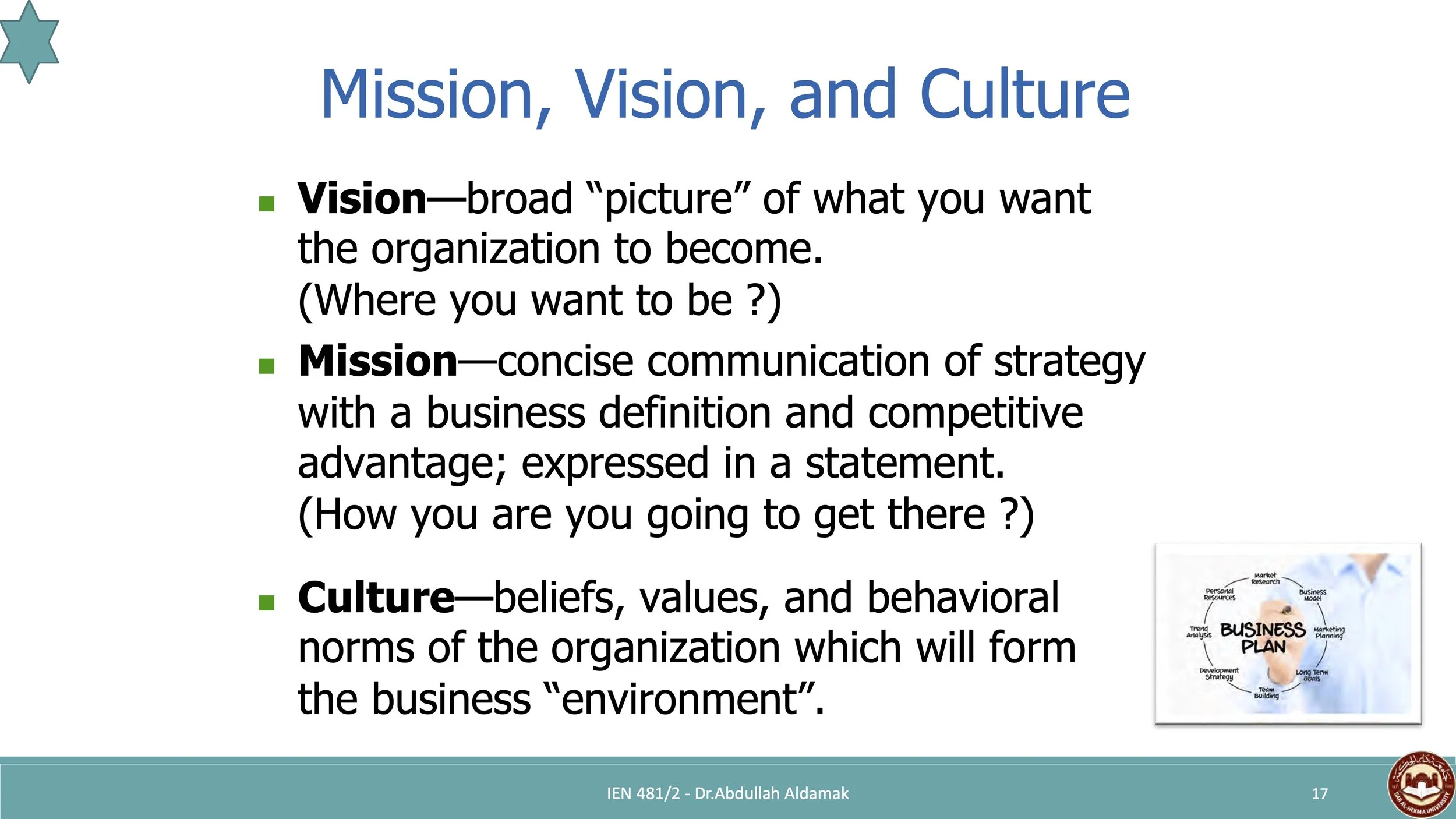


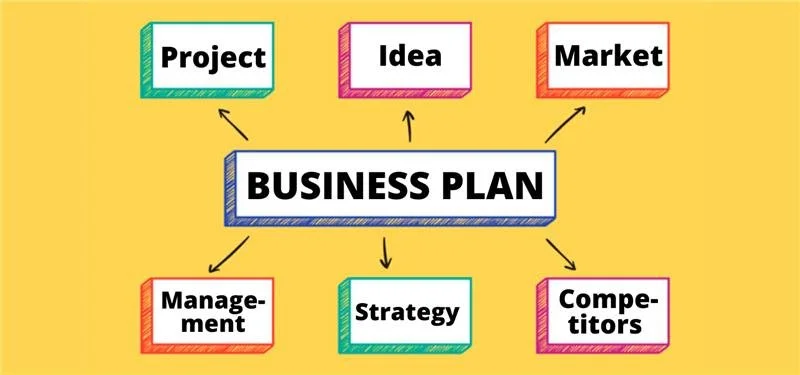
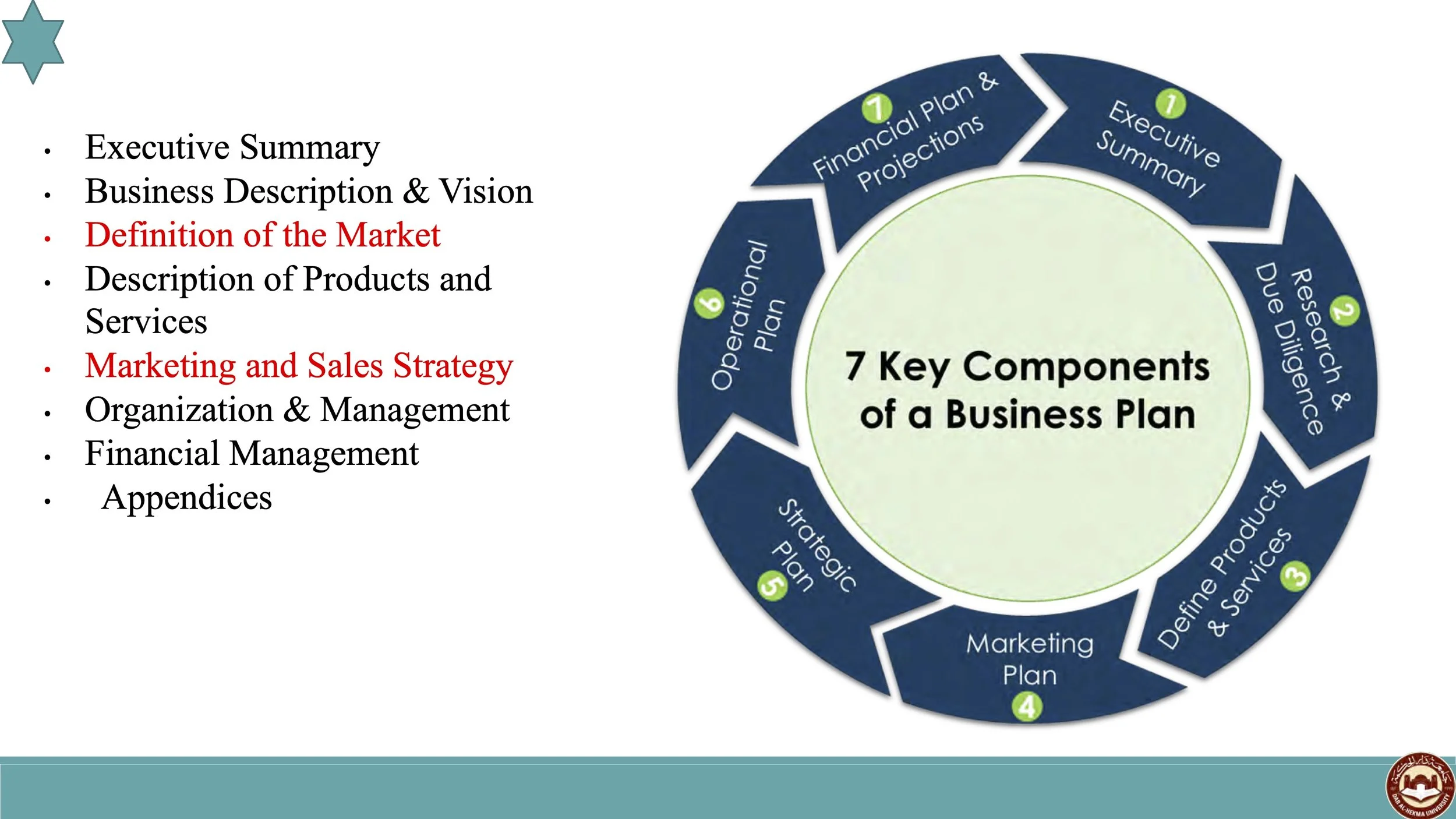
What I learned:
So, day 4 was about writing a business plan. It was really hard, I can't lie—I felt very overwhelmed because I'm a designer and these business things are getting harder and harder. Anyways, the first section was about the Red and Blue Ocean strategies, which I actually found really interesting. I'm definitely leaning towards the Blue Ocean strategy because it's an uncontested space, and I hate being competitive; it's a toxic trait that drains my energy and soul. The Red Ocean strategy is really bloody, filled with competition and disadvantages like slow and stagnant growth, begging for attention, and competing in existing markets, while the Blue Ocean strategy is free from competition, captures new demand, and is unique and innovative.
Moreover, after understanding these aspects, Dr. Abdullah started explaining what a business plan is and what to include in it. Writing a business plan is like writing a story—the more compelling the story, the more attention it gets. That's how I understood it. To write it, we have to consider several factors, like why we want a business plan in the first place. We need a business plan to save time and money and to raise capital. I've never written a business plan in my life, so it was hard to really understand what was expected of me. I didn't really grasp the terms or what I needed to include in my business plan, so I will explore this section more in week two.
Day #5: Marketing & Marketing Strategy



What I learned:
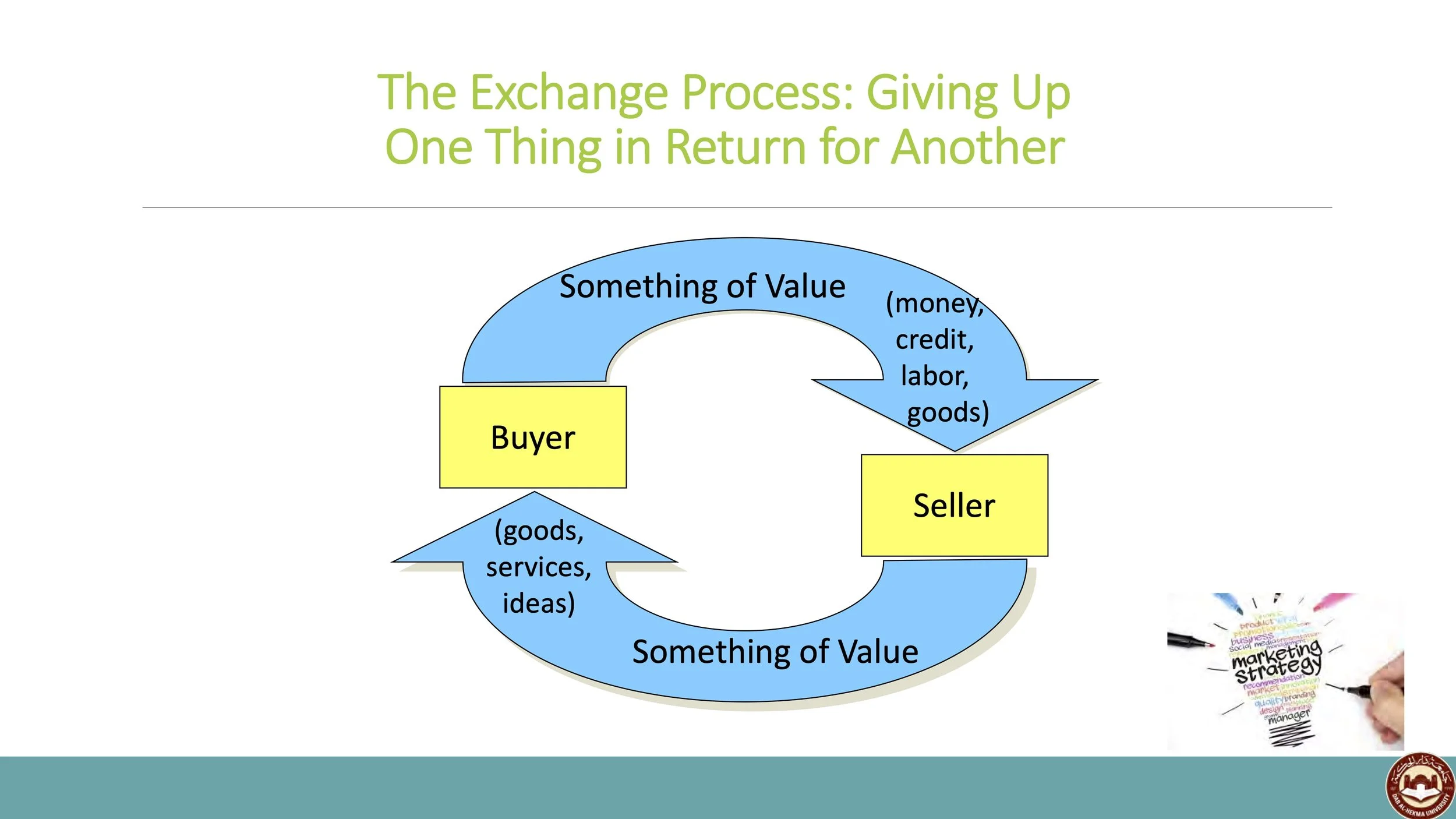
And finally, the last day. Day 5 was all about marketing and making the business a reality. It covered target audiences and how to ensure that my idea connects with my target audience. It also mentioned how to establish a brand and a tagline that is unique and unforgettable. They gave examples of taglines like Nike's "Just Do It" and explained how this tagline works for both a 21-year-old athlete and a 65-year-old retiree. i learned how it's really important to understand how the tagline will affect the target market and how it will create a connection. motreover, Dr. Abdullah then started talking about branding. As a designer, I understand the concept of brand identity and am familiar with what is expected of me so i felt more connected to the topic. He also discussed packaging and labelling, which are crucial in attracting consumers.
Moving on, after graduating from university, I did some freelance work and had no idea how to price my services. This course taught us how pricing works in the business world and how to set prices based on the number of users and market size. We then moved on to marketing the product, which includes advertising media. Advertising can be either print or digital, and nowadays, both are good, but social media is thriving. It's important to think about my target audience and how to market to them. For example, if I were targeting teenagers, my ads would be online because they don't use print media anymore, unlike older generations who are used to print ads. Everything is interconnected—if one aspect succeeds, the others succeed, and if one fails, the rest fail with it.
In conclusion, even though I feel drained from all the information I had to absorb, I also feel more educated in the business spectrum. I feel more confident in talking and writing about what I want to do and how I want to do it. I hope whoever is reading this benefits from what I have learned.